

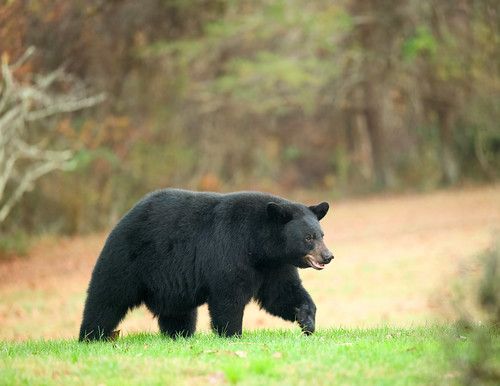
Maryland’s decision to open a black bear hunt lottery for 2026 is more than a wildlife-management footnote; it’s a textbook case of how regulated harvest can keep large-game populations in balance with human activity while preserving the public’s right to participate. By capping the take at 1,050 tags spread across four western counties, the Department of Natural Resources is acknowledging that an expanding bear herd is already generating nuisance complaints and property damage—problems that historically spike when predators lose their fear of people. The lottery format itself is instructive: it spreads opportunity fairly, prevents a rush on tags, and keeps the harvest biologically sustainable, all without the heavy-handed closures or outright bans that anti-hunting activists often push when populations rebound.
For the 2A community the implications run deeper than venison and bear rugs. Every time a state entrusts ordinary, law-abiding citizens with the tools and legal authority to manage wildlife, it reinforces the principle that the right to keep and bear arms is not an abstract liberty but a practical necessity for conservation. Maryland’s bear hunt quietly rebuts the narrative that modern society has “outgrown” hunting; instead, it demonstrates that firearms remain the most efficient, selective, and humane method for controlling species whose numbers would otherwise strain both ecosystems and budgets. The fact that the season is tightly regulated and geographically limited also shows that pro-2A sportsmen are willing partners in science-based management, not obstacles to it.
Critics who reflexively oppose any expansion of hunting privileges should note what happens when states refuse to act: bear incidents rise, property damage claims climb, and agencies eventually resort to costly, less discriminate removal methods—often at taxpayer expense. Maryland’s lottery, by contrast, converts a management challenge into a source of license revenue, hunter education, and public engagement. In an era when some jurisdictions treat every expansion of lawful firearm use as suspect, this small but concrete program reminds the 2A community that victories are often won not in courtrooms alone, but in the steady, incremental defense of traditions that keep both people and wildlife in balance.


