

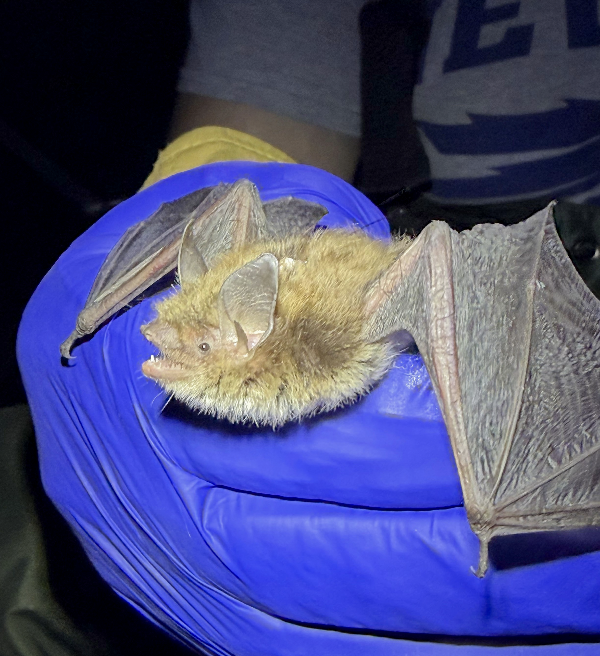
In the shadowed corridors of Platte River State Park, a single little brown bat flitting into a biologist’s net has become more than a data point—it’s a quiet affirmation that even the most battered species can claw back from the brink when habitat, policy, and people align. White-nose syndrome has already erased millions of cave-dwelling bats across the eastern half of the country, yet this lone survivor in eastern Nebraska proves the resilience of an ecosystem still intact enough to support recovery. For the firearms community that prizes self-reliance and stewardship of the land, the sighting is a reminder that healthy bat populations mean fewer crop-eating insects, reduced pesticide loads, and a more balanced natural check on the very environments where many of us hunt, camp, and train.
The capture also underscores a deeper truth about conservation that resonates with Second Amendment advocates: sound science and responsible access often travel together. When state biologists and university researchers can freely enter public lands with the tools and methods they need—mist nets, acoustic detectors, even the occasional suppressed rimfire for humane euthanasia of diseased specimens—they gather the data that keeps both wildlife and people safer. Restrictive land closures or overzealous “no-touch” rules would have left this bat uncounted and its habitat unmonitored, exactly the sort of top-down interference that historically crowds out the very users who fund habitat work through excise taxes on firearms and ammunition.
Ultimately, the bat’s return is less about one nocturnal mammal and more about the principle that private citizens, armed with knowledge and the constitutional right to keep and bear the tools of the field, remain the most consistent guardians of America’s wild places. As white-nose syndrome continues its grim march, the Platte River find offers tangible hope that proactive management—not reflexive prohibition—will determine whether these flying insectivores rebound or vanish. For those who see the right to arms and the duty of conservation as two sides of the same coin, the message is clear: stay engaged, stay armed with facts, and keep the night skies filled with the whisper of wings.


