

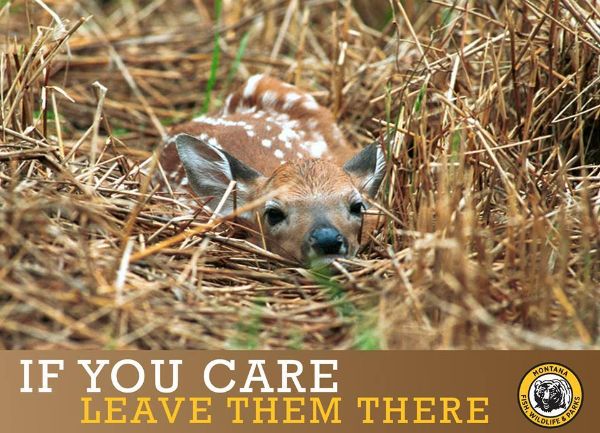
In the wild, the instinct to protect runs deep, and Montana wildlife officials are reminding people that sometimes the best way to help is to do nothing at all. Every year, Montana Fish, Wildlife & Parks fields hundreds of calls from well-meaning citizens who stumble across fawns, leverets, or other seemingly abandoned young, only to learn that their “rescue” may have severed the bond between mother and offspring. Human scent can trigger abandonment in species like deer and rabbits, turning a natural, temporary separation into a life-threatening situation for the animal. The lesson here is clear: nature has its own rhythms, and interfering without expert guidance often does more harm than good.
For the 2A community, this story carries a deeper resonance. Just as wildlife managers urge restraint and respect for natural processes, responsible gun owners understand that true stewardship means knowing when to act and when to stand back. Both hunting ethics and conservation law rest on the principle that healthy ecosystems depend on balanced predator-prey relationships and minimal human disruption. When citizens overstep—whether by scooping up a fawn or by pushing for policies that ignore biological realities—they risk upsetting the very systems that sustain the wildlife we value and hunt. Montana’s message reinforces a broader truth: informed, restrained action protects both animals and the traditions that connect people to the land.
The practical takeaway is straightforward. Before intervening, assess the scene, note whether the mother is nearby, and contact professionals such as Montana WILD’s Wildlife Center or local FWP officers. This measured approach mirrors the discipline 2A advocates bring to firearm safety and wildlife management—recognizing that rights come with responsibilities and that the best outcomes often come from patience, knowledge, and respect for natural order rather than impulsive intervention.


