

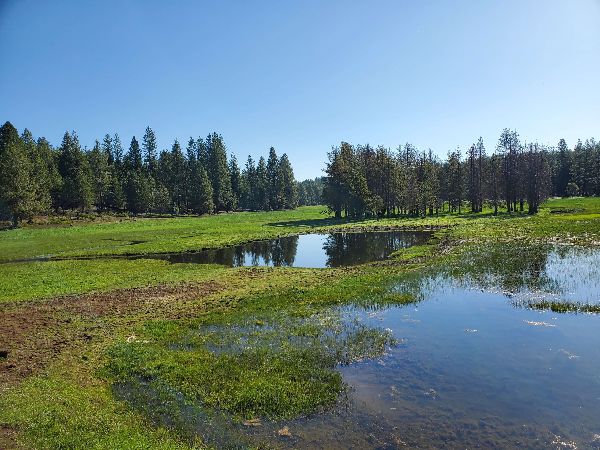
The Richard King Mellon Foundation’s latest infusion of cash into Ducks Unlimited isn’t just another wetlands restoration check—it’s a reminder that the groups most effective at keeping land open, wet, and biologically productive are the same ones that quietly defend the right to access it with a firearm. By restoring 100 acres of montane meadow on Green Diamond timberland, the project will improve late-season stream flows that benefit everything from redband trout to the migratory birds hunters pursue each fall. Those restored acres also generate biodiversity credits, a market-based currency that rewards private landowners for keeping ground in a condition that supports both game and non-game species—an approach far more durable than top-down federal edicts.
Equally telling is the $150,000 earmarked for Ducks University chapters and their R3 (recruit, retain, reactivate) efforts. While legacy media fixates on culture-war framing, these campus programs quietly convert students into the next generation of habitat stewards and, yes, sportsmen and sportswomen who value the Second Amendment as the legal backbone of ethical harvest. When young people learn to read sign, pattern a shotgun, and understand that healthy habitat is the prerequisite for any hunt, they become voters who instinctively reject restrictions that would sever the connection between people and the places they manage.
For the 2A community the takeaway is straightforward: habitat work funded by private capital on working timberland demonstrates that conservation and firearms ownership are not competing interests but complementary ones. Every acre returned to functional hydrology is another argument against the narrative that only government can “save” nature, and every new hunter recruited through campus chapters is another voice explaining that regulated take is the original, most successful wildlife recovery tool this country has ever deployed.


