

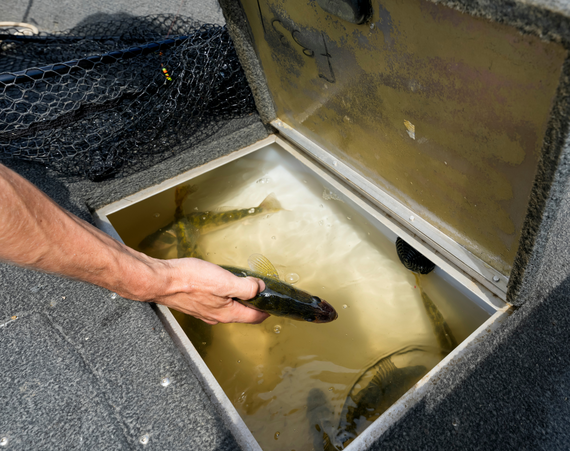
Late-summer fishing in North Dakota is more than a seasonal pastime—it’s a living reminder that responsible stewardship of natural resources and the defense of individual liberties are two sides of the same coin. When the Game and Fish Department insists that anglers release fish caught below twenty-five feet to avoid barotrauma, it’s not just a biological courtesy; it’s an acknowledgment that the people who actually use the resource are best positioned to protect it. That same principle underpins the Second Amendment: citizens who are trusted with firearms are also trusted to exercise judgment, restraint, and accountability in the field. Regulations that treat sportsmen as partners rather than suspects tend to produce healthier fisheries and safer communities alike.
The barotrauma rule also underscores a broader truth about regulation and technology. Depth finders, GPS units, and modern reels have extended the average angler’s reach into waters once considered off-limits, just as optics, modern ammunition, and legal carry frameworks have expanded the practical reach of lawful self-defense. In both arenas, the temptation is to meet new capability with new restrictions. North Dakota’s approach—educate, measure risk, and let the individual decide whether to keep or release—offers a model that respects both conservation goals and personal freedom. It’s a quiet rebuke to the notion that every technological advance must be met with bureaucratic handcuffs.
For the 2A community, the lesson is straightforward: the habits we cultivate on the water translate directly to the range and the polling booth. Practicing selective harvest, obeying length and depth guidelines, and mentoring newcomers in ethical conduct all reinforce the argument that gun owners are not a liability to be managed but an asset to be preserved. When regulators see sportsmen voluntarily adopting best practices—whether it’s venting swim bladders or safely storing firearms—they’re less likely to reach for sweeping prohibitions. In that sense, every live release at twenty-five feet is a quiet vote for the proposition that liberty and responsibility are inseparable, and that the surest way to keep both is to exercise them.


