

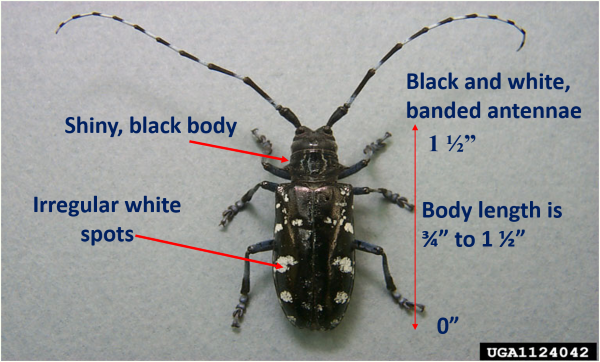
The Asian longhorned beetle may seem like a forestry footnote, but its arrival in Michigan is a textbook case of how quickly an unchecked invasive species can rewrite the rules of the landscape. Hardwood stands that once supplied everything from rifle stocks to duck blinds are now potential casualties, and the federal-state partnership urging August inspections is essentially crowd-sourcing an early-warning network. That same network—citizens walking their woodlots, dialing 866-702-9938 when they spot the tell-tale exit holes—mirrors the decentralized vigilance that has always defined America’s armed citizenry: eyes on the ground, decisions made locally, and a healthy skepticism of top-down fixes.
For the 2A community the stakes are more than aesthetic. A single ALB infestation can wipe out the black walnut, maple, and ash that custom stock makers prize for density and figure; once those trees are gone, domestic alternatives become scarce and prices climb. Worse, the regulatory reflex that follows an outbreak—quarantines, buffer zones, even outright logging bans—can restrict access to public and private land under the banner of “resource protection.” The same legal architecture used to cordon off beetle zones has, in other states, been repurposed to limit recreational shooting or close traditional hunting access. In other words, an insect the size of a AA battery can become the justification for paperwork that keeps rifles in cases and hunters on pavement.
The practical takeaway is straightforward: treat Tree Check Month as range maintenance for the broader ecosystem that sustains Second Amendment culture. Walk your property, note unusual sap stains or perfectly round quarter-inch holes, and make the call. The data you generate doesn’t just protect trees; it keeps the supply chain for American-made walnut stocks intact and pushes back against the regulatory creep that often travels under the banner of crisis response. In the woods, as on the firing line, early detection beats after-action regret every time.


