

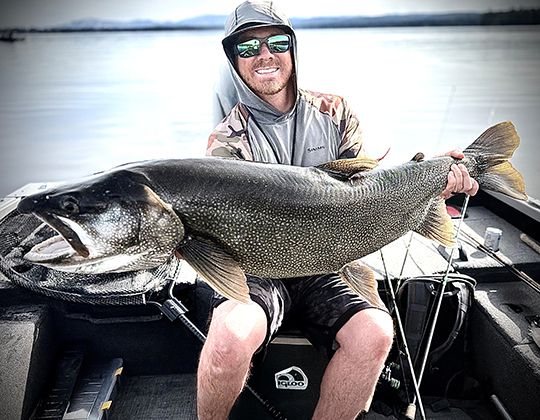
In the crisp waters of Payette Lake, Dylan Smith’s 43.25-inch lake trout isn’t just another line in the record books—it’s a living reminder that Idaho’s public lands and waters remain open because responsible citizens have fought to keep them that way. Catch-and-release records like this one prove that conservation and recreation can coexist when access isn’t choked off by over-regulation or anti-hunting sentiment. The same legal framework that lets anglers chase state-record trout also protects the right to keep and bear arms; both rely on the principle that law-abiding citizens, not distant bureaucrats, are the best stewards of natural resources.
For the 2A community, stories like Smith’s carry a deeper message: every outing on public water is also an exercise in constitutional liberty. When Idaho’s fisheries staff actively manage lake trout to produce healthier populations, they’re demonstrating that local control and individual responsibility outperform top-down restrictions—an approach that mirrors the decentralized, citizen-driven model Second Amendment advocates champion. If anti-gun voices succeed in limiting who can access remote areas or what tools they can carry for protection, the next record trout might never be caught because fewer people will feel safe or welcome on the water.
Payette Lake’s trophy fishery therefore stands as quiet but powerful evidence that constitutional rights and outdoor traditions reinforce each other. As long as sportsmen and sportswomen remain vigilant at the ballot box and in the field, both the right to keep and bear arms and the chance to land the next state record will stay intact for generations to come.


