

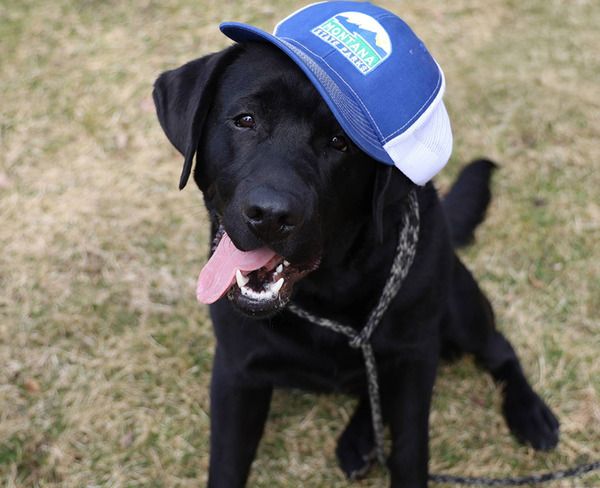
Lone Pine State Park’s B.A.R.K. Ranger program is more than a cute photo-op; it’s a practical lesson in how public-land managers can turn dog owners into ambassadors for responsible use instead of liabilities. By teaching leash etiquette, waste removal, and wildlife awareness, the National Park Service is quietly demonstrating that access is earned through behavior, not granted by decree—an idea the 2A community has long championed when it comes to range safety and carry etiquette. The official dog tag and social-media contest add a layer of positive reinforcement that keeps participants engaged long after the hike, turning casual pet parents into vocal defenders of the very trails they now help steward.
For gun owners who also hunt, hike, or camp with dogs, the program underscores a larger truth: every user group that polices its own conduct strengthens the case against blanket restrictions. When a dog-owning family shows up prepared, picks up after their pet, and yields to wildlife, they reduce the friction that anti-access activists use to justify new closures or permit schemes. Conversely, a few irresponsible incidents can hand regulators the political cover they need to limit everyone’s footprint—human or canine. The B.A.R.K. Ranger model therefore serves as a microcosm of the self-regulation argument that underpins shall-issue carry laws and shall-issue training requirements: demonstrate competence and courtesy, and the public space remains open.
The photo contest for Montana Fish, Wildlife & Parks social channels is the final, clever touch. It weaponizes visibility; every tagged, well-behaved dog on Instagram becomes free advertising for the idea that multiple-use recreation and responsible ownership are compatible. That same visibility can be leveraged by 2A advocates who want to normalize armed, law-abiding citizens on public lands—another group often portrayed as reckless until they prove otherwise through consistent, documented good conduct. In short, Lone Pine isn’t just training dogs; it’s modeling the cultural shift that keeps trails, ranges, and rights intact for the next generation.


