

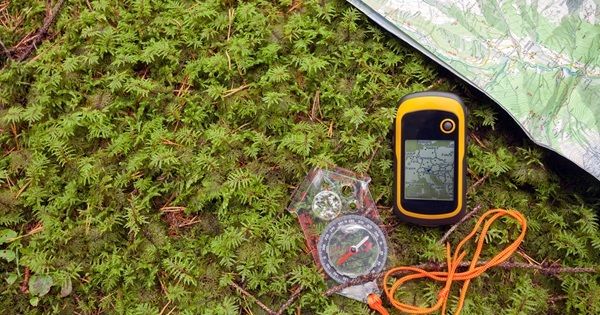
Geocaching at Clear Lake State Park isn’t just a family-friendly treasure hunt—it’s a low-stakes rehearsal for the kind of terrain awareness and land-navigation skills that every armed citizen should keep sharp. The June 20 “Geocache 101” session will teach attendees how to hide and find caches, log trackables, and understand path tags, all while new hides are dropped throughout the park. Those same skills—reading topography, pacing distance, and moving quietly through mixed cover—translate directly to responsible carry in the backcountry, where cell service is spotty and situational awareness matters more than an app.
For the 2A community, events like this quietly reinforce a larger truth: public lands remain some of the last places where lawful gun owners can train without paying range fees or asking permission to draw from concealment. A Recreation Passport requirement is a small price for preserving access, yet it also highlights the ongoing tension between user-funded conservation and the creeping instinct in some quarters to restrict or monetize every acre. By participating, pro-2A families signal that they value these shared spaces and intend to keep them open, clean, and multi-use rather than ceded to single-interest closures.
Bottom line, a geocaching workshop on June 20 is more than glorified hide-and-seek; it’s an on-ramp for building practical outdoor competence that complements marksmanship and legal carry. The 2A community that shows up, logs caches, and leaves nothing but footprints strengthens the argument that gun owners are among the most reliable stewards of the very lands they’re sometimes accused of endangering.


