

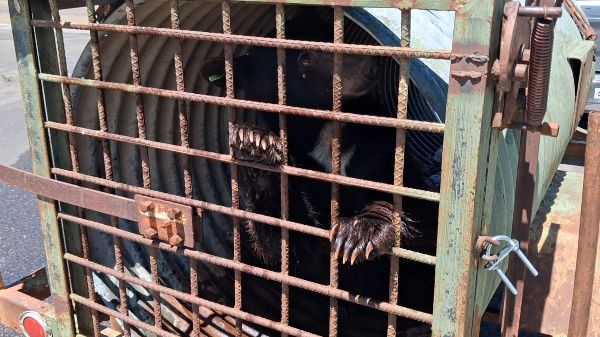
In a rare win for both wildlife management and public safety, Idaho officials successfully moved a yearling black bear out of a Nampa neighborhood instead of reaching for the usual lethal option. The fact that this bear hadn’t yet become dangerously food-conditioned shows how quickly human-bear conflicts can escalate when easy calories are left lying around, and it underscores why proactive deterrence matters more than reactive euthanasia. For the 2A community the takeaway is straightforward: the same principle that keeps bears alive—swift, decisive intervention before bad habits form—applies to preserving the right to keep and bear arms. When local agencies demonstrate they can handle problems without defaulting to bans or confiscations, it reinforces that responsible citizens and competent government can coexist without eroding constitutional protections.
The relocation to Unit 32A also highlights how habitat connectivity and hunting access play quiet but critical roles in keeping both people and wildlife out of each other’s hair. Bears that learn to associate neighborhoods with food lose their natural wariness; similarly, when Second Amendment rights are treated as privileges subject to ever-shifting local rules, the culture of lawful self-reliance erodes. By choosing relocation over lethal force, Idaho Fish and Game and Nampa’s first responders modeled a balanced approach that respects both public safety and the value of individual preparedness—whether that means carrying bear spray in the backcountry or exercising the right to keep defensive firearms at home. Stories like this remind the firearms community that vigilance, education, and timely action remain the best safeguards against both four-legged and bureaucratic overreach.


