

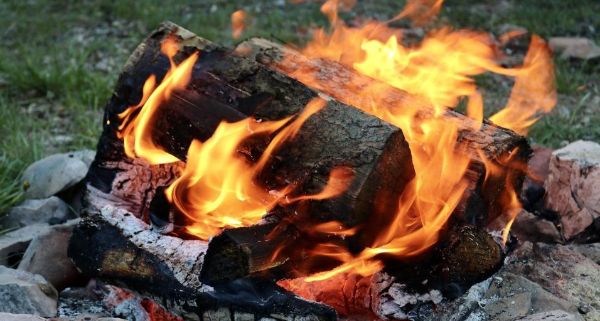
Wyoming’s sudden fire ban on Game and Fish lands is more than a seasonal inconvenience—it’s a stark reminder that the same agencies entrusted with managing public access can also shutter it overnight. With 45 Wildlife Habitat Management Areas and 199 Public Access Areas now off-limits for campfires, charcoal, and fireworks, hunters, campers, and recreational shooters who rely on those parcels for everything from elk camp to informal range days are suddenly forced to adapt or relocate. The irony is hard to miss: while the state cites “extreme drought,” it simultaneously leaves law-abiding citizens without the traditional tools of outdoor self-reliance, even as gas grills remain legal if you pack a shovel and water bucket.
For the 2A community, the ban underscores a broader pattern in which access and rights are treated as privileges that can be dialed back whenever bureaucratic risk tolerance drops. Fire restrictions rarely come paired with sunset clauses or compensation for lost use, so sportsmen who bought tags, mapped routes, and planned weeks of backcountry time now face last-minute itinerary scrambles. More troubling, the precedent suggests that future “emergencies”—whether drought, beetle-kill, or simply administrative preference—could be invoked to curtail not just campfires but target shooting or even overnight parking on the same parcels. In a state that prides itself on being “the Equality State,” the equality of access is starting to look conditional.
The practical takeaway is to diversify your options before the next closure notice drops. Build relationships with private landowners for backup campsites, keep a current atlas of BLM and Forest Service parcels that aren’t subject to Game and Fish rules, and maintain a mobile “go-kit” of propane stoves and metal fire pans so you’re never caught flat-footed. Above all, treat every temporary ban as a warning shot: if regulators can flip a switch on something as fundamental as a legal campfire, they can—and will—do the same to other long-accepted uses of the land.


