

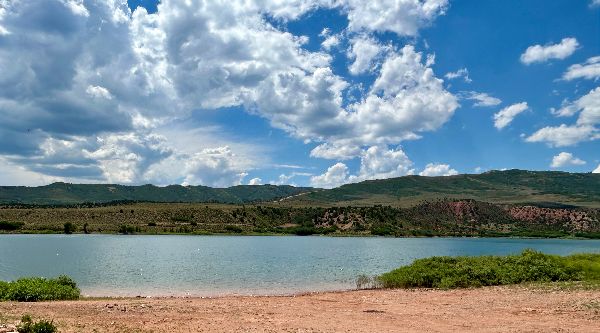
Utah’s sudden decision to green-light extra harvests at Pineview and six other reservoirs isn’t just a fisheries-management footnote—it’s a textbook case of how drought, infrastructure projects, and bureaucratic timing collide to force resource managers into last-minute triage. By bumping daily limits, the Division of Wildlife Resources is essentially admitting that the fish left stranded by low water would otherwise die anyway, so the state would rather see them on dinner plates than rotting on mud flats. For Second Amendment advocates, the parallel is obvious: when government agencies finally concede that their own policies or external pressures have created an untenable situation, the quickest “fix” is often to hand more freedom back to citizens rather than double-down on restrictions.
That same logic applies to defensive firearm carry. Just as anglers are now trusted to responsibly harvest more trout because the alternative is waste, law-abiding gun owners have long argued that shall-issue permitting and constitutional carry simply acknowledge reality—citizens are already the first responders on scene and should not be disarmed by red tape while threats materialize. The Utah move also underscores a broader truth the 2A community repeats constantly: top-down scarcity planning rarely outperforms decentralized, individual action. Whether the resource is trout or personal security, the pattern is identical—when centralized control runs into drought-level constraints, the solution that surfaces is more liberty, not less.


