

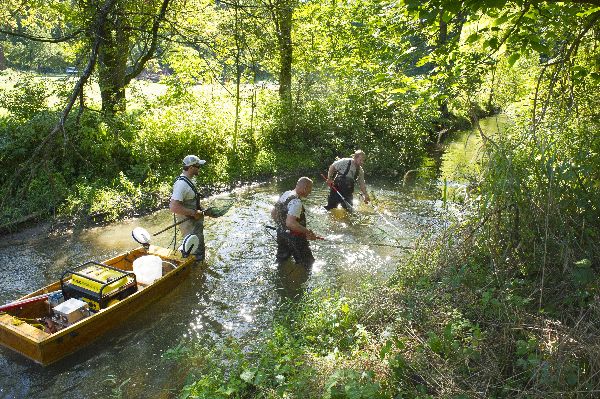
Michigan’s DNR just wrapped another year of boots-on-the-ground data collection, logging more than 350 fisheries surveys across 225 inland lakes and 127 streams. Those numbers aren’t just bureaucratic box-checking; they represent the kind of granular, science-driven management that keeps fisheries healthy enough to draw millions of anglers to public waters every season. When biologists like Jim Francis and Randy Claramunt can quantify how stocking programs, habitat work, and harvest regulations are actually performing, they give both the resource and the people who use it a fighting chance against the slow creep of over-regulation that often follows when populations look shaky on paper.
For the 2A community the connection is direct: healthy public fisheries are one of the strongest practical arguments for keeping land and water open to lawful users rather than locking it away under the guise of “protection.” Every creel survey, electrofishing run, and stream shocking session produces the hard numbers that rebut the narrative that anglers and hunters are the problem; instead, they demonstrate that regulated, armed recreation is compatible with—and often funds—robust conservation. When license dollars and excise taxes from firearms and ammo keep those surveys funded, the data loop stays intact and the public retains both access and a measurable stake in the resource.
The real implication is strategic. If anti-access voices ever succeed in framing fishing as just another extractive threat, the first casualty will be the political capital that currently protects millions of acres of public water. By staying engaged with the science, by showing up at public-comment meetings armed with the same DNR reports, and by continuing to fund the work through license sales, sportsmen keep the counter-argument evidence-based and therefore harder to dismiss. In short, the 350 surveys completed in 2025 are more than fish counts—they’re quiet but powerful reminders that data, access, and the Second Amendment still travel together on Michigan’s lakes and streams.


