

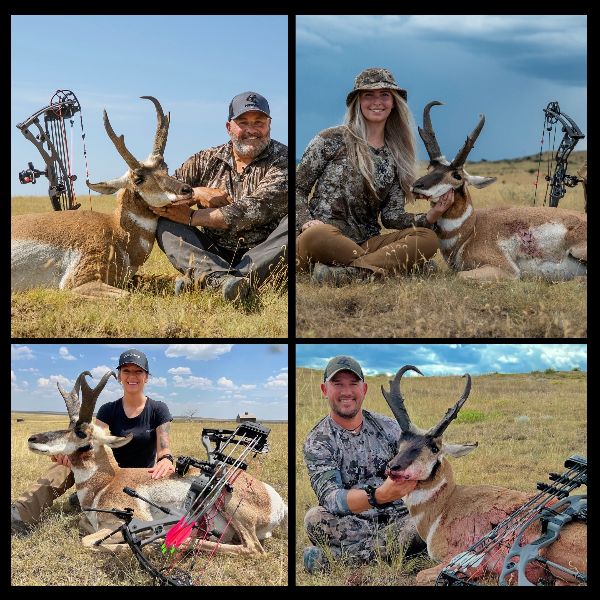
The Cianciarulo family’s decision to spotlight a DIY Colorado pronghorn hunt on national television is more than just another hunting show; it’s a deliberate showcase of self-reliance that directly challenges the narrative that modern hunters need guides, outfitters, or government permission slips to exercise their rights. By choosing Hoyt bows and public-land tactics in a state where antelope tags are still drawn through a lottery system that many view as an overreach, Ralph, Vicki, RJ, and Aubrey are modeling the kind of individual initiative the Second Amendment was designed to protect—citizens taking responsibility for their own protein rather than waiting for bureaucratic allocation. The inclusion of friends Steve and Jess Fernandez further underscores that these traditions are passed laterally through communities, not top-down from agencies, reinforcing the cultural transmission that keeps hunting alive even as urban populations grow.
What makes this episode particularly potent for the 2A community is its timing and platform: airing on Pursuit Channel in late July, it reaches viewers during the critical pre-season window when states finalize regulations and anti-hunting groups ramp up pressure on wildlife commissions. By documenting the entire process—from application strategy to on-the-ground execution—the Cianciarulos provide both inspiration and practical intelligence that lowers the barrier for new participants, expanding the coalition of armed, outdoors-capable citizens who understand that the right to keep and bear arms is meaningless without the cultural competence to use them responsibly. In an era when some states flirt with restricting magazine capacities or accessory bans under the guise of “public safety,” footage of families ethically harvesting game with traditional archery equipment serves as living proof that firearms owners are also conservationists who fund wildlife management through excise taxes and license fees.
Ultimately, this kind of content functions as soft power for the broader gun-rights movement by normalizing the full spectrum of Second Amendment activity—from plinking at the range to putting meat on the table—without apology or compromise. When viewers see multi-generational families succeeding on public land with bows rather than high-powered rifles, it undercuts the caricature of gun owners as reckless or elitist and instead presents them as stewards who value skill, patience, and freedom. The ripple effect is measurable: more first-time tag applicants, more vocal support at commission meetings, and a larger demographic that recognizes hunting as both a constitutional expression and a practical hedge against regulatory overreach.


