

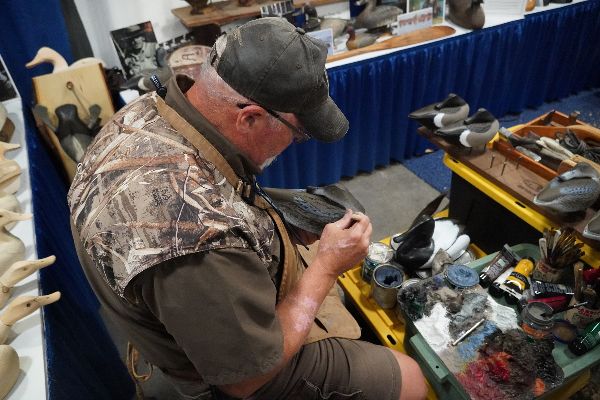
In an era when waterfowl hunting is often reduced to a numbers game of shot counts and bag limits, the Delta Waterfowl Expo’s decision to spotlight live decoy carving and painting demonstrations is a deliberate reminder that the tradition itself is worth preserving. Master carvers Pat Gregory and Joshua Brewer aren’t merely showing off hand skills; they’re demonstrating the tactile connection between hunter and quarry that mass-produced plastic blocks can never replicate. By placing these demonstrations at the center of a three-day event in Des Moines, Delta Waterfowl is signaling that the future of the sport depends on keeping the old ways visible, teachable, and respected—especially when regulatory pressure and shifting public sentiment threaten to erode access to the marshes where those decoys are ultimately deployed.
For the 2A community, the implications run deeper than nostalgia. Every hand-carved decoy that ends up bobbing in a cattail slough represents hours of patient craftsmanship that reinforce the cultural argument for continued access to public waters and private wetlands alike. When anti-hunting voices frame waterfowling as nothing more than industrialized killing, events like this push back with tangible proof that the activity is rooted in heritage, conservation funding through duck stamps, and a living chain of knowledge passed from one generation to the next. The July 24-26 Expo therefore functions as both a skills clinic and a quiet act of cultural resistance, reminding attendees that the right to keep and bear arms is exercised most fully when paired with the responsibility to steward the resources those arms help harvest.


