

Montana’s June 1 deadline isn’t just another bureaucratic checkpoint—it’s a vivid reminder that the right to keep and bear arms is inseparable from the right to responsibly harvest game on public lands. When Fish, Wildlife & Parks pushes hunters toward the MyFWP app and License Ambassadors, the state is streamlining access to a tradition that predates the Constitution yet still depends on an armed citizenry capable of field maintenance, accurate shot placement, and ethical decision-making under variable conditions. For the 2A community, every online permit application is also an affirmation that lawful carry, safe storage, and proficiency with centerfire rifles remain prerequisites for meaningful participation in wildlife management.
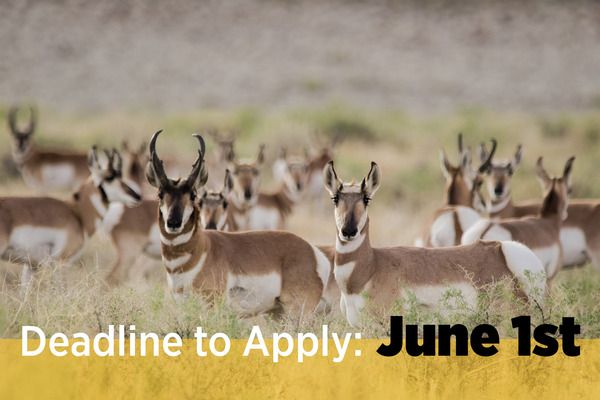
The species on this year’s list—swan, sandhill crane, elk B, deer B, and the tightly drawn antelope tags—highlight how tightly regulated opportunity can still expand individual liberty when the regulatory framework stays transparent and hunter-driven. By front-loading the process with instructional videos and real-time mobile tools, Montana reduces the friction that often discourages new or rural participants, thereby broadening the coalition of armed outdoorsmen who fund habitat conservation through license fees and excise taxes. In an era when some jurisdictions treat every cartridge as suspect, the Treasure State’s approach quietly demonstrates that an armed, accountable public can simultaneously protect wildlife populations and preserve a cultural inheritance rooted in marksmanship and self-reliance.
For those who view the Second Amendment as more than a parchment barrier, meeting the June 1 cutoff is an act of quiet resistance against incremental disarmament-by-regulation; each approved tag reaffirms that the tools of the hunt remain in citizen hands rather than locked behind agency vaults. The lesson is straightforward: stay engaged, file on time, and treat every hunt as both recreation and rehearsal for the skills that secure a free state.


