

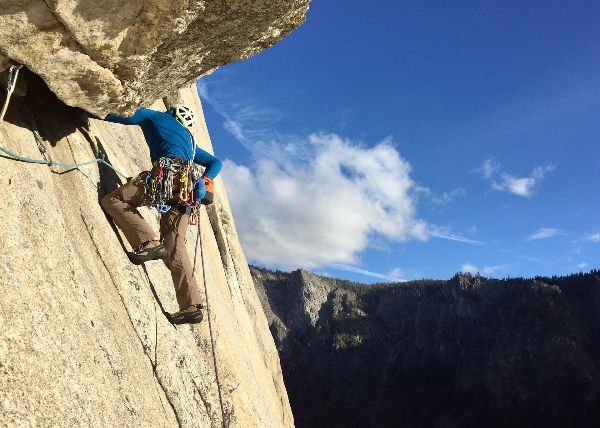
The Forest Service’s new nationwide climbing management framework isn’t just about bolts and belay stations—it’s a textbook case of how quickly a once-niche outdoor pursuit can trigger sweeping federal rules when its footprint grows. What began as a handful of traditional climbers quietly placing protection on remote crags has ballooned into a multi-million-dollar industry complete with guided tours, competition events, and social-media-fueled crowds. Regulators, facing everything from trail erosion to wildlife disturbance, have decided that “if it’s popular, it must be planned,” a mindset that should sound familiar to anyone who has watched once-quiet shooting ranges or dispersed camping areas suddenly fall under new layers of restriction once visitor numbers spike.
For the 2A community the lesson is straightforward: popularity without proactive stewardship invites control. Just as expanded public-land shooting drew calls for time-slot systems and insurance mandates, climbing’s surge produced the first uniform policy dictating where, when, and how recreation can occur on millions of acres. Firearm owners who treat ranges, backcountry camps, and hunting camps as open-ended entitlements risk the same outcome—sudden “stakeholder processes” that convert customary access into permitted privilege. The difference is that shooters already operate under a dense web of statutes; losing the cultural high ground on public-land use only tightens that web further.
The practical takeaway is to treat every new participant as an ambassador whose conduct either preserves or jeopardizes the next generation’s access. Whether the activity is clipping quickdraws or patterning a shotgun, consistent Leave-No-Trace ethics, documented safety records, and visible cooperation with land managers blunt the regulatory impulse. In short, the Forest Service memo on climbing is less about carabiners than about confirming that any growing user group on federal ground will eventually be asked to justify its presence—and the 2A world ignores that pattern at its peril.


