

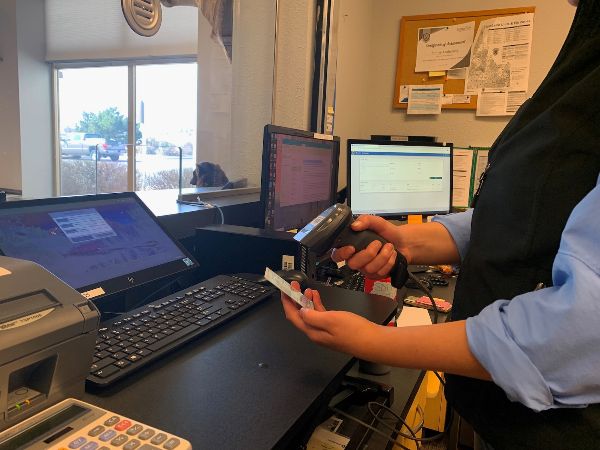
Idaho’s Aug. 1 deadline for claiming controlled-hunt tags is more than a calendar reminder—it’s a real-world stress test of how much paperwork the state can pile onto a fundamental constitutional right. Hunters who drew a coveted deer, elk, pronghorn, or fall black-bear tag have roughly one month to complete the transaction or watch the opportunity vanish, while those hoping to swap a general-season tag for something more specific must beat an even earlier July 31 cutoff. Layered on top of these compressed timelines is a brand-new residency rule for Lifetime License Certificates that, beginning July 1, demands five years of Idaho residency—an abrupt tightening that effectively prices non-residents and recent transplants out of a once-accessible lifetime bargain.
For the 2A community, these accumulating frictions illustrate a larger pattern: even in a firearms-friendly state, the administrative state can achieve through process what it cannot accomplish through outright prohibition. Every new layer of deadlines, verifications, and durational hurdles raises the cost—in time, money, and hassle—of exercising the right to keep and bear arms in the context of hunting. When the window for action is deliberately narrow and the penalties for missing it are absolute forfeiture, the burden falls heaviest on working families, military members on deployment, and anyone whose life doesn’t revolve around watching a state wildlife-agency inbox.
The practical takeaway is straightforward: mark the dates now, set calendar alerts, and treat license and tag acquisition with the same seriousness as range-day safety checks. Beyond that, the episode is a reminder that vigilance cannot stop at the gun counter; it must extend to every regulatory nook—from magazine-capacity edicts to hunting-permit portals—where incremental rules can quietly erode access. In Idaho and elsewhere, the Second Amendment is only as robust as the citizenry’s willingness to navigate, and when necessary to challenge, the bureaucratic obstacles placed in its path.


