

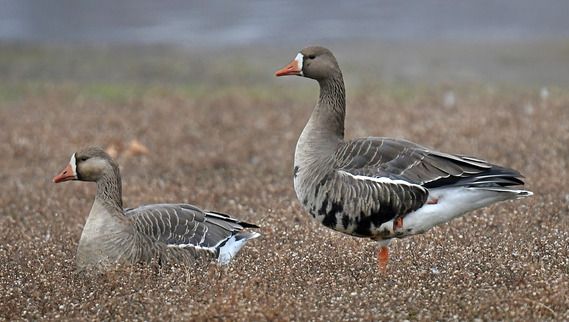
The Oklahoma Waterfowl Stamp contest isn’t just about pretty pictures of white-fronted geese—it’s a living reminder that the Second Amendment community has always been the backbone of North American conservation. Since 1934, when duck stamps first became mandatory for waterfowl hunters, sportsmen have quietly funneled hundreds of millions of dollars into habitat acquisition and wetland restoration, all without a single penny of general-tax revenue. Every time a hunter buys a stamp—or submits an entry to design one—he’s voting with his wallet for the idea that the people who use a resource should be the ones who pay to protect it. That principle is pure Second Amendment philosophy: individual responsibility over bureaucratic redistribution.
What makes this year’s contest especially noteworthy is the species chosen. White-fronted geese, colloquially called “specklebellies,” have seen explosive population growth in the Central Flyway, largely because private landowners—many of them hunters—have invested in moist-soil management and winter wheat fields. Those same landowners rely on the right to keep and bear arms to protect their property from predators, poachers, and, increasingly, over-reaching regulators. The stamp contest therefore becomes a cultural bridge: the winning artwork will be seen by every waterfowler who buys a license, reinforcing the message that conservation and the shooting sports are inseparable.
For the 2A community, the takeaway is straightforward. While coastal foundations pour money into restrictionist ballot initiatives, hunters and shooters continue to bankroll actual habitat, species research, and public access. Entering the contest, buying the stamp, or simply sharing the story keeps that tradition alive and demonstrates that the most effective conservation model in history is the one funded by the people who carry firearms afield every season.


