

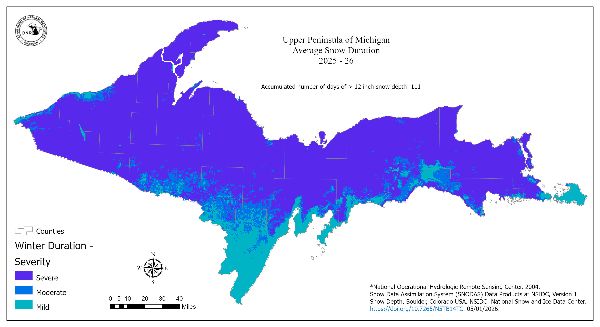
Michigan’s Upper Peninsula just endured its third brutal winter in five years, and the white-tailed deer herd paid the price in lost body condition and outright starvation. With 111 days of snowpack at least a foot deep, even the hardiest whitetails couldn’t paw down to enough browse, and the Michigan DNR’s SNODAS mapping confirmed what every serious hunter already suspected: the snow wasn’t just inconvenient, it was lethal. Biologists like David Jentoft, Brian Roell, Caleb Eckloff, and Kristie Sitar are now documenting the aftermath, and their data will shape the next several seasons of antlerless tags and population modeling.
For the 2A community this isn’t merely a wildlife footnote; it’s a reminder that healthy deer herds are the lifeblood of both tradition and self-reliance. When winter culls the herd, harvest quotas tighten, license revenue dips, and the political argument for maintaining robust hunting access loses ground to anti-hunting voices who claim “overabundance” is the only problem worth solving. Conversely, a rebounding herd fuels the economic engine that keeps rural sporting-goods stores, taxidermists, and meat processors in business—businesses that also sell the very firearms and ammunition Second Amendment advocates defend. In short, every deep-snow winter is a stress test for both the deer and the culture that depends on them.
The takeaway is straightforward: hunters who value their heritage must stay engaged with state wildlife agencies, support sound habitat work, and push back against policies that treat severe winters as convenient excuses to slash opportunity. Data-driven management, not knee-jerk restrictions, is what keeps both deer and deer hunting viable for the next generation.


