

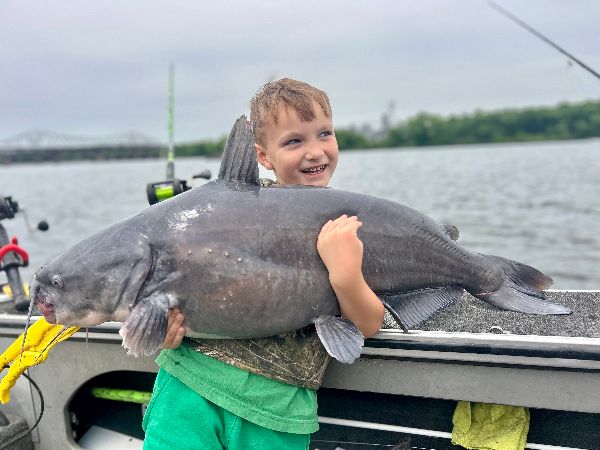
The Alabama Catfish Trail is more than a fishing circuit—it’s a rolling showcase of self-reliance, outdoor skill, and the kind of practical marksmanship that keeps the 2A community grounded in real-world utility. Anglers who chase whiskered giants on public waters quickly learn that a reliable sidearm isn’t just a fashion statement; it’s the tool that settles disputes with cottonmouths, feral hogs, or the occasional two-legged threat when cell service is nonexistent. The same hands that thread a Carolina rig or fillet a 40-pound blue cat are the hands that train with iron sights and maintain a defensive mindset, proving that the right to keep and bear arms is exercised daily by people who live close to the land rather than by abstract theory.
What makes the trail especially relevant is how it quietly reinforces the cultural overlap between hunting, fishing, and firearms ownership. Families who load coolers with catfish on Saturday often spend Sunday at the range, passing down both recipes and safe gun-handling habits to the next generation. Local bait shops double as informal intelligence hubs where conversations about new concealed-carry statutes or proposed magazine restrictions happen alongside discussions of rod-and-reel regulations. In an era when coastal media frames the Second Amendment as an urban or suburban concern, rural circuits like this one demonstrate that constitutional carry and sustainable harvest are two sides of the same coin: both rest on the premise that free citizens can be trusted with tools that sustain life and defend it.
The broader implication is that every catfish caught on the trail is a data point in the larger argument against incremental disarmament. When regulators eye private land access, waterway restrictions, or ammunition taxes, they’re ultimately targeting the same demographic that keeps Alabama’s lakes clean, its restaurants supplied with fresh protein, and its communities prepared for whatever walks out of the woods. Supporting the trail therefore isn’t just about tourism or tourism dollars; it’s about preserving the lived experience that makes abstract rights tangible. The 2A community would do well to treat these grassroots outdoor networks as the living laboratories they are—places where liberty, marksmanship, and self-sufficiency are tested daily, one cast and one carry at a time.


