

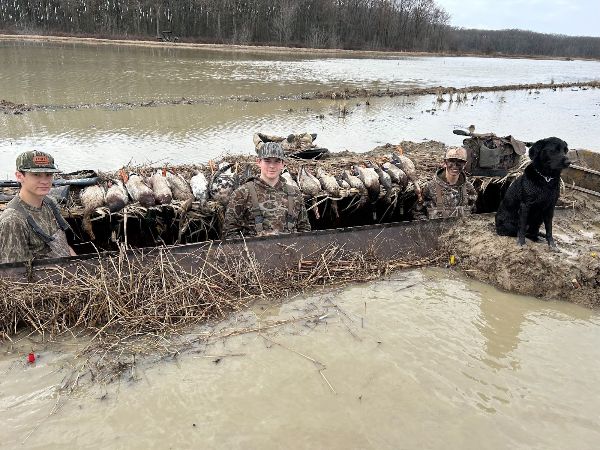
The Arkansas Game and Fish Commission’s latest $2.1 million USDA grant isn’t just another line item in a federal spreadsheet—it’s a textbook example of how conservation dollars can quietly expand the footprint of public hunting without ever touching a single acre of public land. By paying rice producers to flood their fields for migrating waterfowl, the Waterfowl Rice Incentive Conservation Enhancement program turns private farmland into seasonal habitat that also doubles as walk-in hunting ground. That’s a win for ducks, a win for farmers, and—most importantly—a win for the Second Amendment community that still believes access and opportunity are the lifeblood of our hunting culture.
What makes this story especially relevant to gun owners is the model it represents: voluntary, incentive-based access that sidesteps the usual regulatory stick in favor of a financial carrot. In an era when anti-hunting activists routinely push to shrink the places we can hunt, programs like this prove that private-land solutions can scale quickly when the incentives line up. The three-year grant window gives producers predictable income while giving hunters new places to swing a shotgun, all without the political baggage that comes with new public-land acquisitions or tax-funded purchases. It’s the kind of pragmatic, market-driven conservation that 2A advocates have long argued works better than top-down mandates.
The ripple effects extend beyond Arkansas. If this model proves successful, other states watching their hunter numbers decline could replicate it, creating a patchwork of privately owned but publicly accessible hunting acres that grows faster than any state agency could buy outright. That matters because every new flooded rice field that opens to hunters is another data point showing that the firearms community isn’t just about owning guns—it’s about keeping the places and traditions that make those guns meaningful. In short, this USDA grant is a reminder that the future of hunting access may be written in crop-insurance paperwork rather than in new land deeds, and that’s a story worth watching.


