

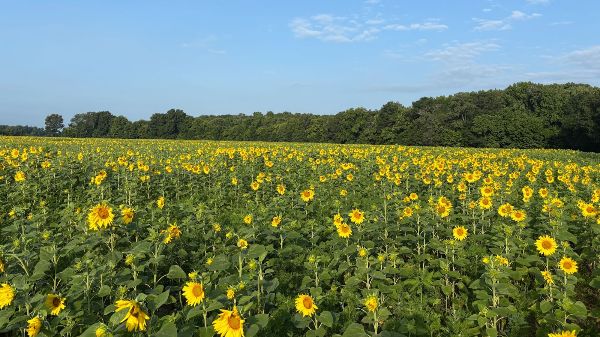
Arkansas dove hunters just got a fresh reminder that public land can still deliver when the state agency actually plants the right crops and opens the gates. The AGFC’s August 1-15 permit window for fields on Shirey Bay, Dave Donaldson Black River, Lake Conway, and Frog Bayou isn’t just another bureaucratic checkbox; it’s a deliberate investment in habitat that keeps small-game traditions alive on ground every taxpayer already owns. By favoring drilled sunflowers over broadcast wheat, the agency is acknowledging that doves respond to food, not slogans, and that a well-managed WMA can rival private leases without forcing hunters to pay a club premium.
For the broader Second Amendment community, these micro-seasons matter because they prove access is renewable capital. Every successful public dove shoot recruits new participants who later defend the Pittman-Robertson dollars that fund the plantings, the law-enforcement presence, and the political will to keep land open. When anti-hunting voices claim “no one uses these WMAs,” the line at the check station on opening weekend becomes the rebuttal. The AGFC’s modest sunflower program is therefore both wildlife management and quiet advocacy: it converts passive land into active range days that voters remember at the ballot box.
The takeaway is simple—mark the calendar, apply early, and treat the permit as more than a ticket to shoot doves. It’s a stake in the argument that regulated public access remains one of the most durable safeguards of the right to keep and bear arms.


