

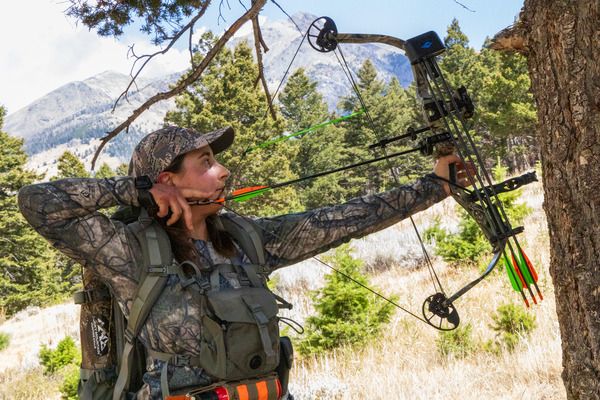
There’s something refreshingly subversive about Danielle Oyler’s message that the best elk call might already be sitting between your ears. In an industry that has turned calling into a cottage industry of reeds, diaphragms, and Bluetooth speakers, the notion that a hunter can simply listen, practice, and replicate real vocalizations feels almost contrarian. It strips away the consumer layer that has crept between hunter and quarry, reminding us that the most sophisticated piece of gear is still the human brain wired to the natural world. For the 2A community, this is more than a hunting tip; it’s a quiet assertion that skill and stewardship trump gadgetry every time.
The practical payoff is equally compelling. Less gear means fewer batteries to pack, fewer electronics to fail at the worst moment, and—most importantly—less regulatory surface area for future restrictions on “electronic calling devices.” When a hunter’s voice alone can turn a herd, the argument that technology somehow gives an unfair advantage collapses. That same self-reliance echoes the broader Second Amendment ethos: proficiency developed through disciplined practice is the surest hedge against both over-regulation and dependency on someone else’s product. Oyler’s approach doesn’t just improve success rates; it inoculates the tradition against the creeping narrative that hunting must be sanitized, mechanized, or outsourced to apps and algorithms.
Ultimately, the lesson travels beyond the elk woods. Every time a hunter masters a natural call instead of purchasing the latest module, they reinforce the idea that outdoor heritage is preserved by competence, not consumption. In an era when anti-hunting activists frame modern hunters as gadget-laden technophiles, the image of someone standing in an aspen grove, cupping their hands and sounding like the mountain itself, is powerful counter-messaging. It proves that the most authentic conservationists are those who know the language of the land so well they don’t need a middleman—electronic or bureaucratic—to speak it.


