

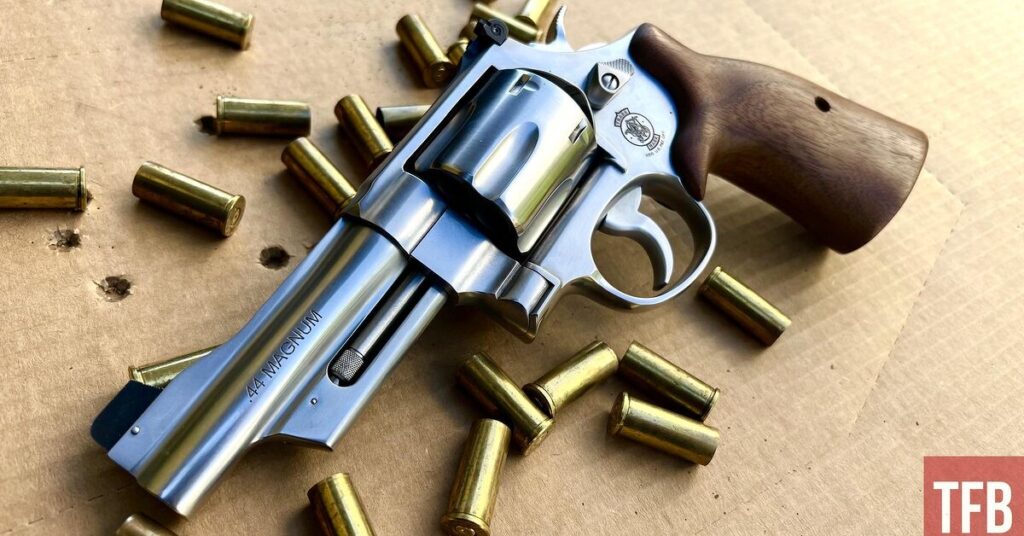
Revolvers have always been the stubborn holdouts in a world obsessed with capacity and speed, and that’s exactly why they still command such fierce loyalty. While semi-autos chase ever-higher round counts and ever-slimmer profiles, the wheelgun refuses to apologize for its deliberate pace or its bulk; instead, it doubles down on the virtues that actually matter when the chips are down—simplicity, reliability, and a trigger that doesn’t care whether the brass is hot, cold, or missing altogether. In an era when red-dot sights, optics-ready slides, and striker-fired pistols dominate the conversation, the revolver’s refusal to participate feels almost subversive, a quiet reminder that mechanical certainty can trump electronic convenience.
That stubbornness carries real implications for the broader Second Amendment community. Revolvers remain the great equalizer for shooters who can’t—or won’t—rely on the latest polymer wonder gun: older shooters with reduced hand strength, new shooters intimidated by malfunction drills, and anyone who simply wants a sidearm that will fire after months of neglect in a drawer. Their mechanical simplicity also makes them harder to ban by regulatory creep; there’s no striker, no loaded-chamber indicator, no external safety to legislate into obsolescence. In short, the wheelgun is living proof that the right to keep and bear arms isn’t dependent on staying current with the newest feature set—it’s dependent on staying functional when everything else fails.


