

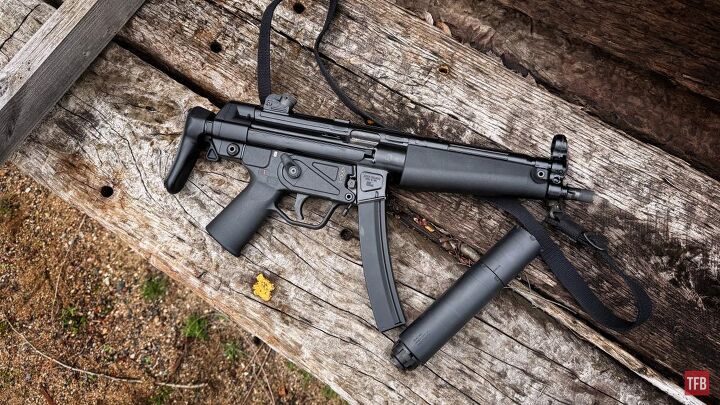
The Zenith ZF-5 isn’t just another roller-delayed clone; it’s a tangible reminder that the MP5’s sixty-year run is less about nostalgia and more about a design that still refuses to be outclassed in close-quarters work. By taking an American-made receiver, stamping it with Zenith’s own markings, and then immediately filing the paperwork to turn it into a short-barreled rifle, the reviewer is exercising the very rights the 2A community fights to keep from being whittled away by import bans, barrel-length rules, and the ever-present threat of pistol-brace reclassification. That choice—paying full retail, skipping the “just shoot it as a pistol” phase, and embracing the NFA process—underscores a quiet but powerful point: when domestic manufacturers step up, civilian shooters can still obtain the same platform that foreign militaries and police agencies continue to trust, provided the regulatory climate doesn’t slam the door first.
What makes the ZF-5 story especially relevant right now is the broader supply-chain and policy pressure on roller-delayed firearms. With HK’s civilian SP5 still carrying a premium price and occasional import hiccups, Zenith’s willingness to build stateside gives the 2A community a hedge against both cost inflation and potential future restrictions on foreign-made receivers. The reviewer’s decision to Form 1 the gun before it ever touched a range also highlights how the tax-stamp route, while cumbersome, remains one of the few legal avenues left for turning a semi-auto pistol into the compact, shoulder-fired configuration that actually matches the MP5’s original tactical DNA. In an era when pistol braces are under constant legal siege, that route becomes more than a personal preference; it’s a demonstration that the Second Amendment still allows citizens to configure defensive tools in ways that mirror professional use, so long as we stay inside the lines drawn by Congress and the ATF.
Ultimately, the ZF-5 Essentials Package review lands as both product evaluation and quiet policy statement. It shows that American companies can keep iconic designs alive for civilians even when the original manufacturer has largely exited the market, and it reminds readers that every Form 1 stamp, every domestically produced part, and every range trip with a legally configured SBR is another data point proving that the right to keep and bear functional arms is still being exercised rather than merely discussed. If the MP5 platform survives another sixty years, it will be because enthusiasts and small manufacturers refused to let regulatory friction or corporate disinterest retire it first.


