

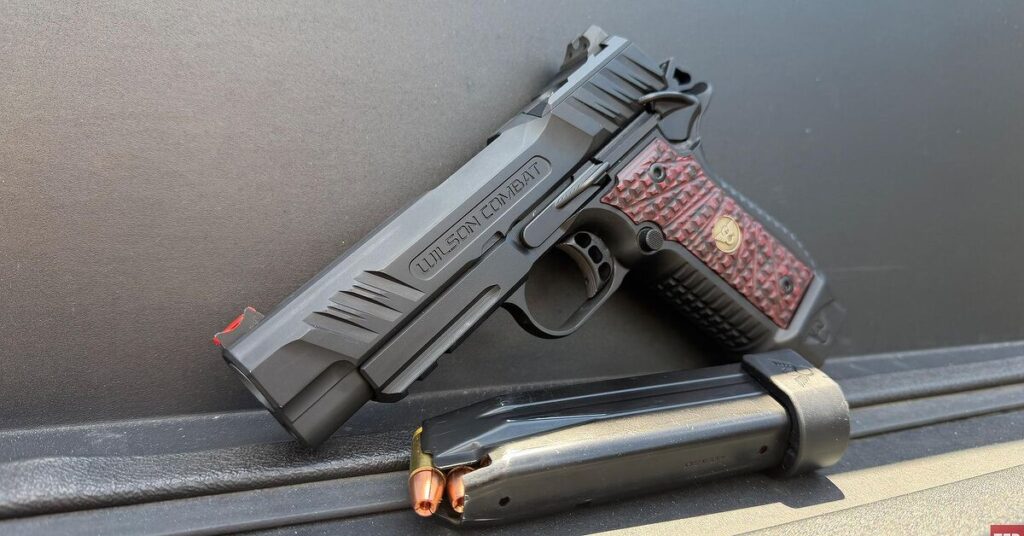
Wilson Combat’s decision to push the Experior Elite Commander into the double-stack 9 mm space isn’t just another catalog entry; it’s a calculated move that signals how far the 1911 platform has evolved while still honoring its DNA. By marrying the slim, single-stack Commander grip frame with a true double-stack magazine, Wilson has created a pistol that carries like a duty gun yet shoots with the refined trigger and ergonomics enthusiasts expect from a custom shop. That balance matters in a market where polymer-framed “wonder nines” dominate volume sales; the Experior Elite proves that metal-frame refinement and higher capacity don’t have to be mutually exclusive, giving 2A advocates a tangible example of how innovation strengthens, rather than dilutes, the classic defensive handgun.
For the broader rights community, the gun’s existence is a quiet rebuttal to the narrative that high-capacity, defensive firearms are only the province of striker-fired imports or budget striker clones. Every time a respected American manufacturer like Wilson invests serious R&D dollars into a 1911-based platform that holds 18-plus rounds, it undercuts the argument that “modern sporting pistols” must look and function like something designed overseas. The Experior Elite also quietly expands the Overton window: if a Commander-length 1911 can be made to run 9 mm double-stack magazines reliably, the technical case against magazine-capacity restrictions becomes stronger in legislative hearings and court filings. In short, Wilson isn’t merely selling another expensive 1911; it’s reinforcing the idea that American innovation and the Second Amendment are mutually reinforcing propositions.


