

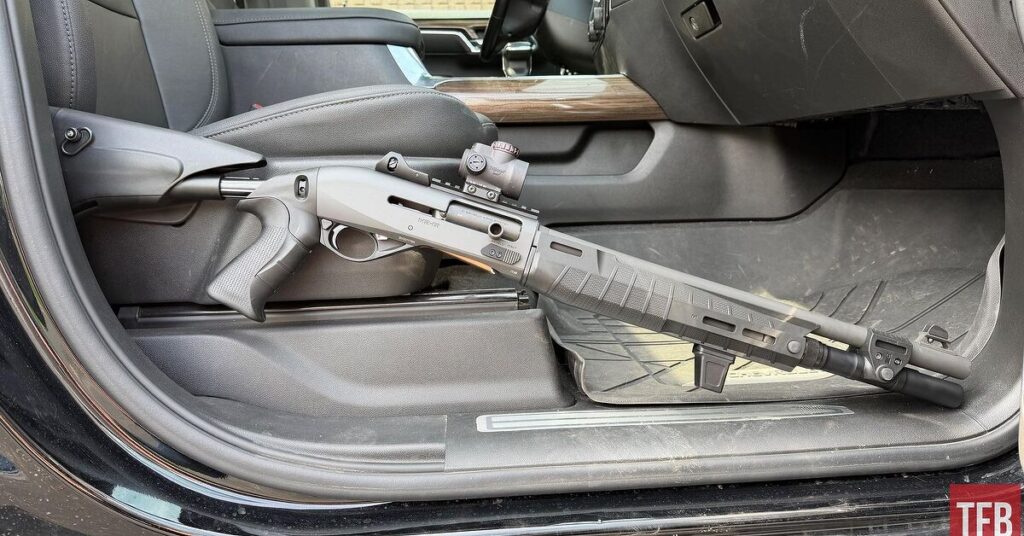
Benelli’s decision to refresh the M2 platform with the modular G1 variant is more than a simple product update—it’s a calculated move to keep the brand relevant in a market that now expects factory-level customization without the premium price tag. By offering interchangeable stocks, optics-ready receivers, and a broader range of barrel lengths straight from the box, Benelli is essentially giving shooters the same ergonomic flexibility once reserved for high-end custom shops. That matters for the 2A community because it lowers the barrier to entry for a truly versatile defensive or sporting shotgun, letting everyday owners tailor the gun to their needs instead of settling for a one-size-fits-all compromise.
The timing is equally telling. As states continue to debate magazine-capacity restrictions and “assault weapon” definitions, a modular semi-auto that can be quickly reconfigured from home-defense length to upland or 3-gun configuration becomes a practical hedge against regulatory creep. Owners can swap furniture or barrel lengths without creating a new “firearm” under the law, preserving both capability and legal compliance. In that sense, the M2-G1 isn’t just competing with the M4; it’s competing with the shifting legal landscape itself.
For enthusiasts who value Italian engineering but balk at the M4’s cost, the G1 also signals that Benelli recognizes the growing appetite for mid-tier, feature-rich shotguns that don’t skimp on reliability. If the aftermarket follows suit—already flush with M2-compatible parts—the platform could evolve into a long-term, upgrade-friendly staple rather than a single-season offering. That kind of staying power strengthens the community’s access to dependable, serviceable firearms, reinforcing the principle that the right to keep and bear arms includes the right to keep and bear arms that actually fit the user.


