

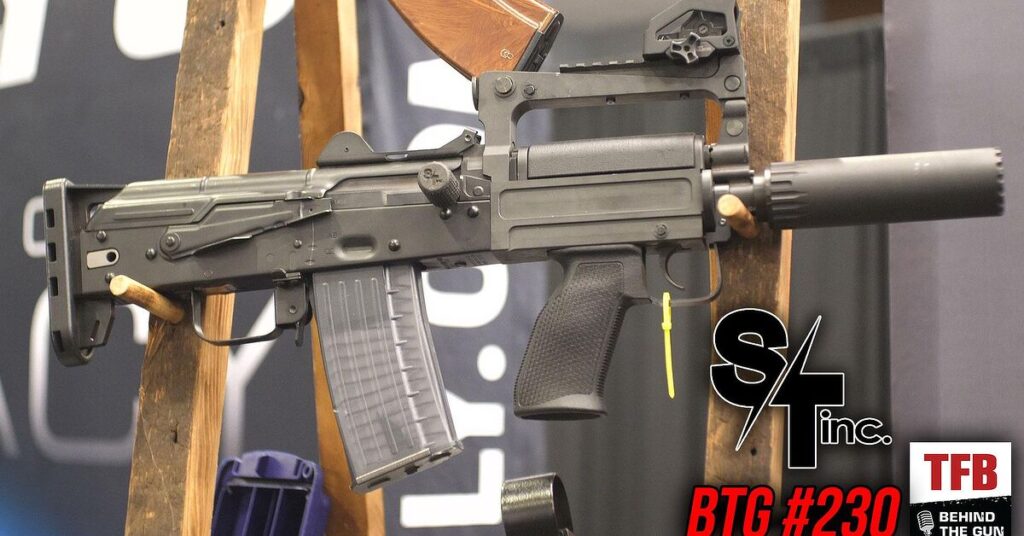
The latest episode of TFB’s Behind the Gun podcast drops listeners into the workshop of Ian and Will—two engineers who turned a shared obsession with “making the gun do what the manual says it can’t” into Stuff & Things Inc., a boutique shop that quietly ships more than 20,000 aftermarket parts a year. What stands out isn’t just their catalog of micro-adjustable gas blocks and titanium bolt carriers; it’s the way they treat every product as a referendum on the Second Amendment’s practical reach. By reverse-engineering military specs, then shaving off unnecessary weight or adding user-serviceable tolerances, STIncUSA is proving that the right to keep and bear arms is meaningless without the parallel right to repair, modify, and improve them at the individual level.
Their approach also highlights a growing seam in the modern gun culture: the collision between legacy manufacturers who still treat civilians like late-stage end-users and a new wave of small-batch innovators who view shooters as co-designers. When Ian describes milling an M-LOK slot on a handguard that was “only supposed to accept Picatinny,” he’s not just solving a fitment issue—he’s rejecting the notion that factory geometry should dictate civilian creativity. That same spirit fuels their decision to publish open-source torque specs and exploded diagrams, effectively daring competitors to raise the collective baseline rather than hoard tribal knowledge behind paywalls or dealer networks.
For 2A advocates, the episode is a reminder that the most durable defense of the right to bear arms may come less from courtrooms than from workbenches. Every time a home builder swaps a mil-spec extractor for one of STInc’s enhanced versions, they’re exercising an autonomy that legislation alone can’t confer. In an era when regulators eye pistol braces and braced firearms with the same suspicion once reserved for machine guns, the ability of small makers to iterate faster than rule-makers can draft guidance becomes its own form of insurance—proof that the right to keep and bear arms is ultimately safeguarded by those willing to re-engineer it, one component at a time.


