

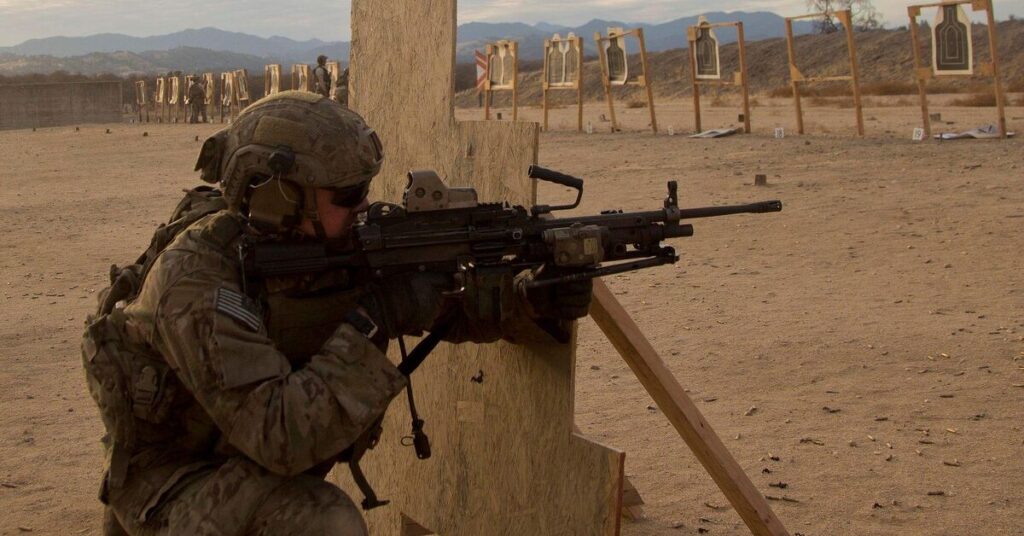
SOCOM’s quiet quest for a next-generation ultra-light machine gun is more than a gear upgrade—it’s a signal that the military’s appetite for lighter, smarter, more lethal small arms is accelerating, and that momentum will inevitably spill into the civilian market. The MK 46, a 5.56 mm belt-fed workhorse that has been lugged through two decades of desert and mountain fights, is finally being measured against modern materials science: polymer receivers, advanced alloys, and even hybrid metal-injection-molding techniques that could shave pounds without sacrificing sustained-fire durability. When the Pentagon starts talking about “integrating advancements in material, manufacturing, and technology,” it’s essentially crowdsourcing the next leap in weight-to-firepower ratios, and every serious defense contractor—from legacy names to nimble newcomers—will race to answer with prototypes that civilian shooters will eventually see in semi-auto, belt-fed or magazine-fed configurations.
For the 2A community, the implications are immediate and twofold. First, any SOCOM contract will validate new lightweight components—quick-change barrels, roller-delayed or gas-piston operating systems, and modular rail architectures—that trickle down to the commercial sector within a few years, just as the MK 16/17 SCAR program seeded today’s piston-driven rifles. Second, the government’s emphasis on “shoot, maneuver, and lay down suppressive fire” underscores the enduring value of intermediate-caliber belt-fed weapons in dynamic fights, a capability civilian competitors already explore in multi-gun and service-rifle disciplines. When the winning design hits full-rate production, expect aftermarket kits, improved ammunition loads, and even state-level discussions about easing restrictions on true semi-auto belt-fed platforms. In short, SOCOM isn’t just shopping for a new pig; it’s writing the spec sheet that tomorrow’s civilian carbines and squad autos will follow.


