

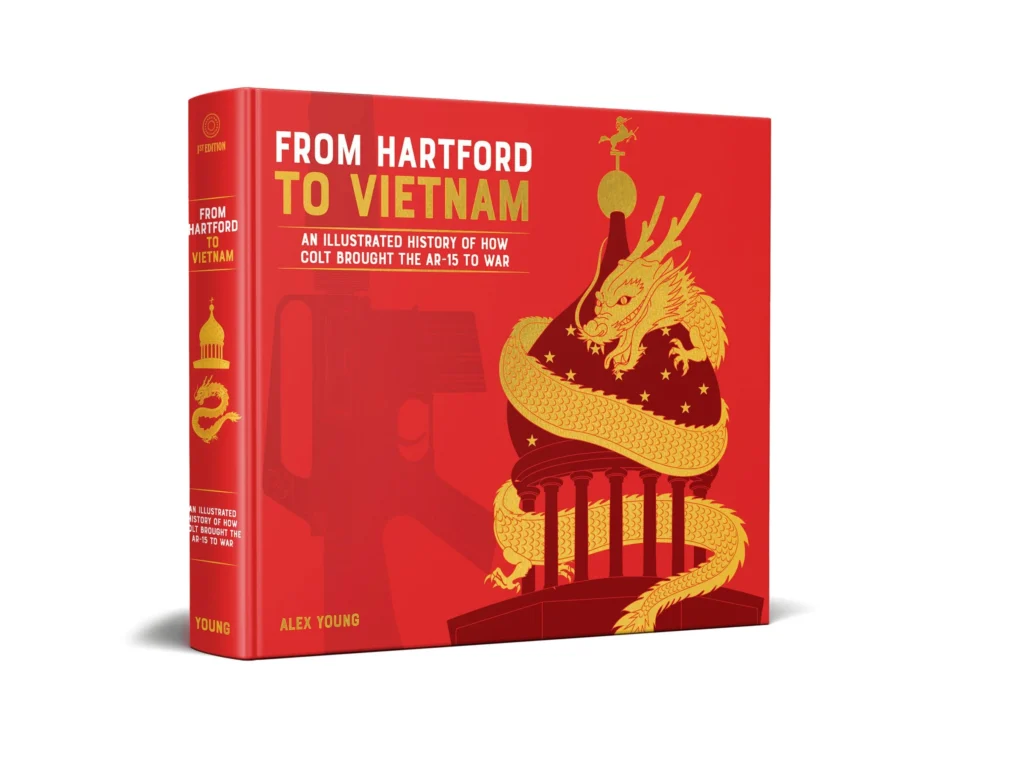
The story of how Colt transformed Eugene Stoner’s radical AR-15 from a handful of Armalite prototypes into the rifle that would define modern infantry combat is more than a manufacturing saga—it’s a case study in how private industry, not government decree, drives innovation in small arms. When Colt acquired the rights in 1959, the company inherited a design that the U.S. military had already dismissed as too unconventional. Yet Colt’s engineers, salesmen, and lobbyists refused to accept that verdict. They refined the gas system, standardized parts, and—crucially—built relationships inside the Pentagon that would eventually secure the first contracts. The result was a weapon that weighed less, recoiled softer, and fired faster than anything the Army had field-tested before, proving that market-driven ingenuity could outpace bureaucratic inertia.
What makes Alex Young’s photographic archive especially powerful is its documentation of the human decisions behind those technical leaps. Images from Rob Roy’s estate show Colt’s Hartford plant floor in the early 1960s, where machinists improvised tooling for a receiver that had never existed in mass production. Other shots capture the moment when the first XM16E1 rifles were handed to advisors in Vietnam, their three-prong flash hiders still shiny. These aren’t merely historical curiosities; they illustrate the iterative process that Second Amendment advocates often cite when defending the right to keep and bear the latest arms technology. The AR-15’s journey from Hollywood workbench to jungle patrol demonstrates that civilian-owned companies—not state arsenals—have repeatedly shouldered the risk and expense of perfecting the tools citizens may one day need to exercise their rights.
For today’s 2A community, the lesson is unmistakable: the same private-sector dynamism that turned a rejected prototype into the world’s most widely fielded rifle continues to operate every time a manufacturer introduces a new barrel profile, trigger geometry, or optic-ready receiver. Restrictive legislation that targets “assault weapons” is, in effect, an attempt to halt the very process that gave American forces their decisive edge in Vietnam. By preserving these photographs and the stories behind them, Young reminds us that the rifles we own today are the direct descendants of decisions made by free individuals operating in a free market—decisions that remain under constant political pressure but have never been extinguished by it.


