

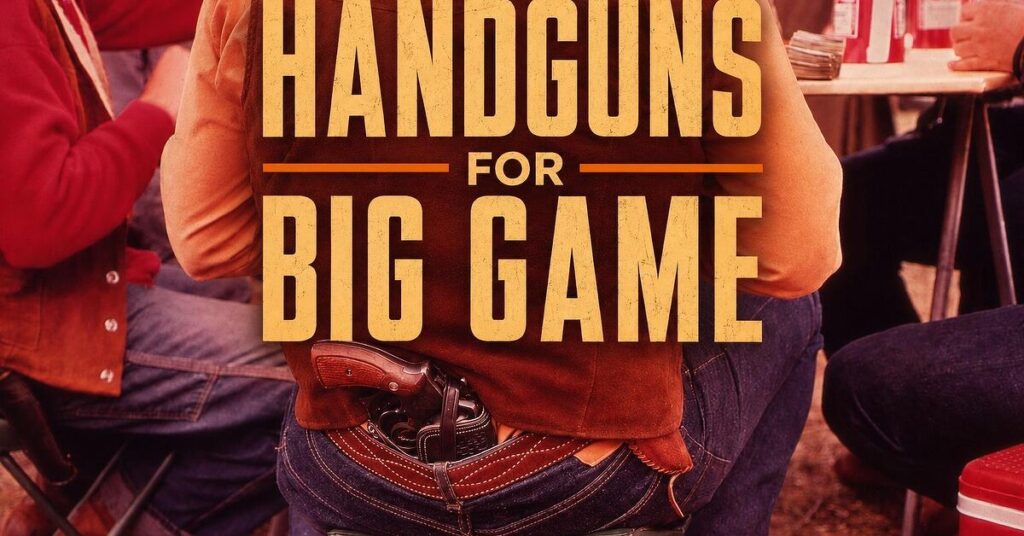
Handgun hunting may be a niche pursuit, but it remains one of the purest expressions of the Second Amendment’s original intent: the right to keep and bear arms for putting food on the table. The decline in popularity isn’t just about the rise of semi-autos or the allure of compound bows; it’s also a symptom of how modern culture has compartmentalized firearms into “sport,” “self-defense,” or “collecting,” rather than recognizing them as everyday tools for self-reliance. When a hunter steps into the woods with a big-bore revolver or a scoped single-shot pistol, they’re exercising a tradition that predates cartridge guns and still embodies the individual responsibility the Founders envisioned.
For the 2A community, stories like this are more than nostalgia—they’re a reminder that rights exercised are rights preserved. Every time a sportsman demonstrates that a well-placed .44 Magnum or 10mm can ethically take game at close range, they push back against the narrative that handguns are only for “bad guys” or last-ditch defense. That visibility matters in an era when anti-gun activists seek to restrict magazine capacity, barrel length, and even caliber under the guise of “public safety.” Showcasing these firearms in a hunting context reframes the debate around capability, ethics, and heritage rather than fear.
Ultimately, the resurgence of interest in handgun hunting could serve as a cultural bridge between the “gun culture” and the broader outdoor community. If more hunters rediscover the challenge and reward of a deliberate, one-shot harvest with a sidearm, they’ll carry that experience back to the voting booth and the town hall. In that sense, Fudd Friday isn’t just about five cool guns—it’s about keeping the full spectrum of the Second Amendment alive, one ethical trigger pull at a time.


