

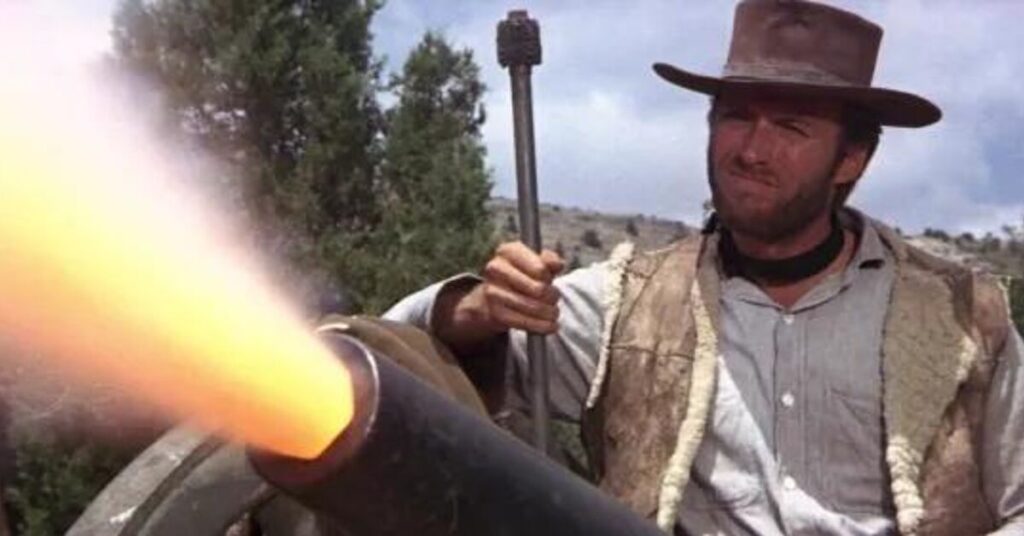
The discovery of Clint Eastwood’s cannon from the climactic finale of The Good, the Bad and the Ugly is more than a Hollywood curiosity—it’s a tangible reminder that the firearms community has always been the real custodian of cinematic history. While the film’s European pedigree might have suggested props sourced from Spanish armories, the fact that this piece of artillery survived decades of neglect underscores how deeply the Western genre is woven into American identity. For Second Amendment advocates, the find is a quiet affirmation that even fictional firearms carry cultural weight; they become totems that keep the public conversation about private ownership alive long after the credits roll.
What makes the story especially resonant is the contrast between the cannon’s utilitarian battlefield role and the almost mythical status it now enjoys among collectors. Unlike the flashy revolvers that defined Eastwood’s later Dirty Harry persona, this gun was a workhorse meant to deliver decisive force at range—an apt metaphor for how the right to keep and bear arms has historically been framed as a practical necessity rather than mere ornament. Its reappearance also highlights an under-appreciated truth: when Hollywood props migrate into private hands, they often do so through networks of enthusiasts who treat them with the same reverence museums reserve for national treasures. That transfer of stewardship from studio lot to individual owner is itself an exercise in the decentralized, liberty-oriented ethos the 2A community champions.
Ultimately, the cannon’s rediscovery invites a broader reflection on how pop-culture artifacts can serve as ambassadors for responsible gun ownership. Every time a new generation watches Blondie level the field with that final shot, another cohort learns that firearms are tools with stories, not just props for spectacle. In an era when media narratives sometimes flatten the complexity of gun culture, tangible links like this artillery piece push back by showing that the right to bear arms extends from the frontier to the silver screen—and, crucially, into the hands of citizens who value both history and freedom.


