

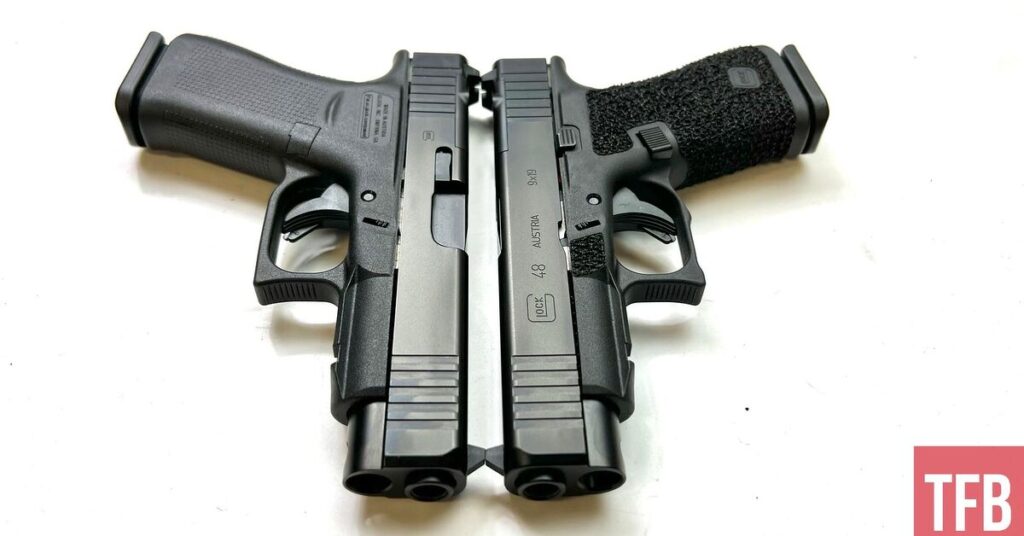
The Concealed Carry Corner series continues to cut through the noise by distinguishing between what actually improves your everyday carry and what merely inflates your gear list. Last week’s hard look at the practical limits of concealment sets up this week’s sharper question: which items earn their place against your body every single day, and which ones are optional upgrades that can wait until you’ve mastered the fundamentals. In a culture that often rewards the newest gadget or the flashiest holster, the piece reminds carriers that real-world concealment is less about collecting accessories and more about consistent, low-profile execution under normal clothing and normal movement.
For the broader Second Amendment community, this distinction matters because it directly affects how the public perceives lawful carriers. When someone’s belt sags under the weight of redundant tools or their printing draws stares, the narrative shifts from responsible self-defense to “gun culture excess.” By contrast, a minimalist, well-practiced setup reinforces the image of the armed citizen as competent and unobtrusive—the very profile that helps preserve shall-issue laws and expanded reciprocity. The article’s emphasis on “useful versus necessary” therefore functions as quiet advocacy: every carrier who streamlines their rig is also reducing the surface area for anti-carry arguments.
Ultimately, the discussion pushes the community to treat concealment as a skill rather than a shopping list. Once the fundamentals—ride height, cant, clothing choices, and consistent dry-fire draws—are locked in, additional items can be evaluated on merit instead of marketed urgency. That disciplined approach not only makes individuals safer and more effective; it also strengthens the cultural case that concealed carry is a quiet, mature exercise of a constitutional right rather than a hobbyist arms race.


