

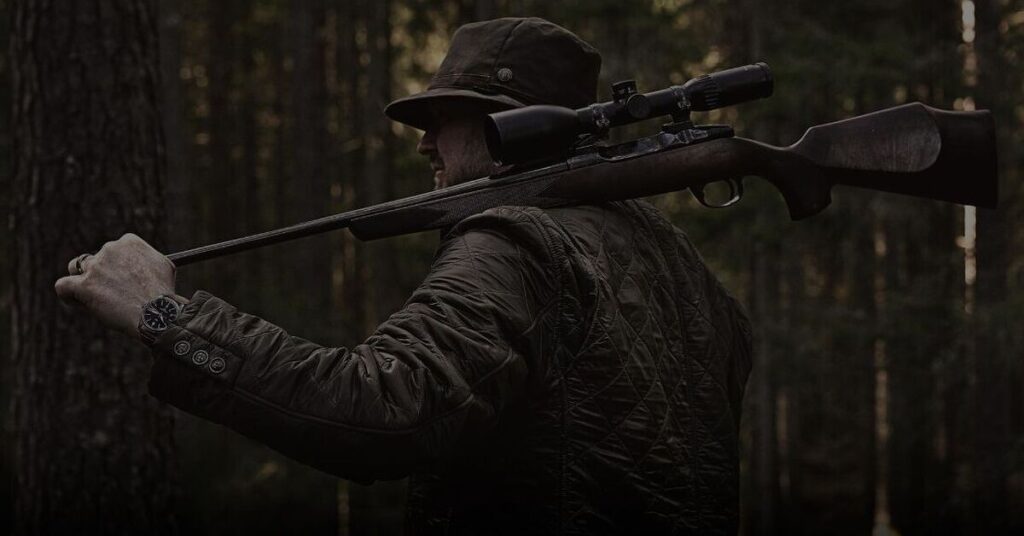
Carl Gustaf’s pivot from forging legendary recoilless rifles to crafting Swiss-grade timepieces is more than a corporate rebrand; it’s a deliberate transfer of martial DNA into horology. The same Swedish engineers who once balanced the physics of back-blast and barrel harmonics now obsess over escapement tolerances measured in microns. That continuity matters to the 2A community because it keeps the tactile language of precision engineering alive in a civilian product that can be worn openly, discussed freely, and collected without the regulatory friction that now shadows actual firearms ownership in many jurisdictions. In effect, the watch becomes a portable shrine to the mechanical excellence that once defined a nation’s defense industry, letting enthusiasts signal their appreciation for that heritage without triggering magazine bans or serialization debates.
The deeper implication is cultural preservation. As European governments tighten civilian access to the very platforms Carl Gustaf once exported worldwide, the brand’s decision to encode rifle-making ethos into wristwatches offers a workaround: the values of self-reliance, craftsmanship, and mechanical autonomy survive in objects that governments have not yet decided to restrict. For American Second Amendment advocates watching overseas allies lose ground, the Carl Gustaf watch functions as both timekeeper and quiet protest—proof that the spirit of a free people’s tooling can migrate across product categories faster than legislation can follow. In that sense, every tick is a reminder that rights may be regulated, but the pursuit of mechanical mastery remains stubbornly difficult to disarm.


