

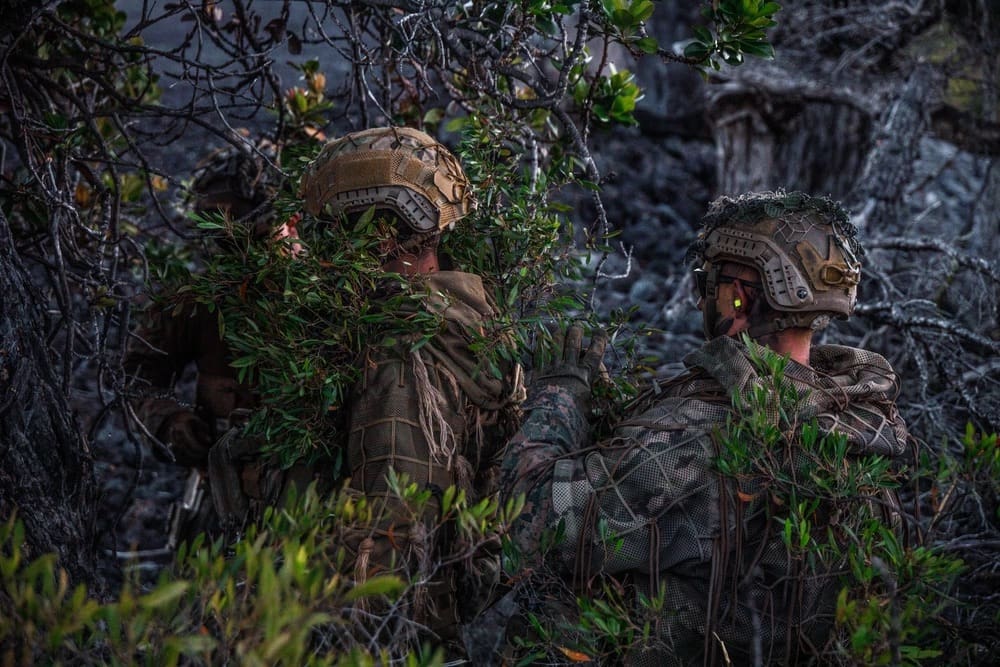
The Marine Corps’ decision to stand up a dedicated 0315 Scout MOS is more than an internal force-design tweak; it’s a quiet admission that the service needs eyes that can stay forward, stay hidden, and stay lethal in environments where satellites and drones can be jammed or shot down. By carving out a primary MOS instead of treating reconnaissance as an additional duty, the Corps is professionalizing the skill set that has always mattered most to small-unit leaders: the ability to find the enemy without being found first. For the 2A community this matters because every Marine who learns advanced fieldcraft, long-range observation, and precision engagement under that new MOS will eventually return to civilian life carrying both the training and the constitutional mindset that the right to keep and bear arms exists precisely so citizens can perform the same function—observe, report, and, if necessary, resist—without waiting for a government-issued optic or radio.
What makes the timing interesting is that this announcement lands while the broader services are still wrestling with recruitment shortfalls and an institutional allergy to anything that smells like “militia.” By creating a permanent home for scouts inside infantry and light armored reconnaissance battalions, the Corps is doubling down on the idea that decentralized, terrain-dominant small teams remain the decisive factor even in a world of hypersonic missiles and contested logistics. That philosophy mirrors the 2A argument that an armed populace, trained and equipped to modern standards, is not an anachronism but a strategic reserve the nation cannot afford to disarm or de-skill. The new MOS also quietly validates the civilian practical-shooting and fieldcraft communities that have long argued marksmanship and concealment are perishable arts best kept sharp outside the wire, not locked behind a demilitarized zone of regulation and confiscation.
In short, the 0315 isn’t just another line on a manpower chart; it’s institutional recognition that the Marine Corps still believes in the primacy of the rifleman who can disappear, watch, and, when the time comes, act. That belief is the same one the Founders encoded in the Second Amendment, and every Marine who wears the new MOS will carry both the skill set and the lived reminder that an armed, trained citizenry is not a threat to the republic—it is its original sensor network.


