

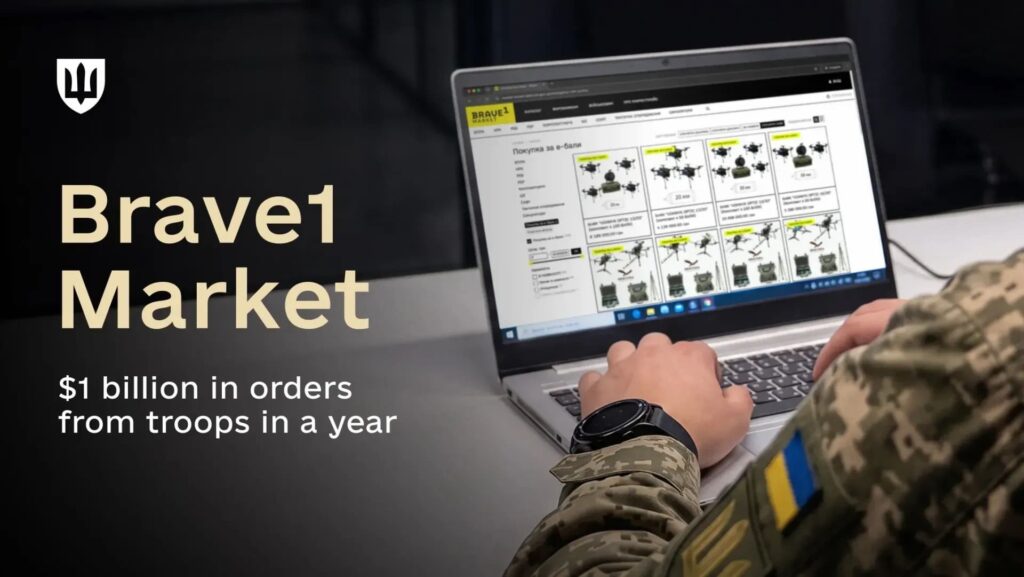
Ukraine’s troops have already spent a billion dollars on gear through Brave1 Market, a state-run online store that lets frontline units order everything from drones to electronic-warfare kits with the same speed a civilian might click “buy now” on a rifle optic. In just twelve months, more than 400 units have taken delivery of half a million unmanned aerial vehicles and hundreds of other systems, proving that when procurement is stripped of Soviet-era paperwork, the battlefield can be resupplied almost as fast as the enemy can adapt. The real story isn’t the dollar figure; it’s the model: a transparent, competitive marketplace that rewards innovation and punishes delay.
For American gun owners watching this unfold, the lesson is impossible to miss. Ukraine’s success hinges on the same principle that underpins the Second Amendment—decentralized decision-making and rapid access to tools. While U.S. states experiment with red-flag laws and serialized-component tracking, Kyiv has shown that letting end-users choose their own equipment produces faster feedback loops, better gear, and fewer bureaucratic choke points. If a nation at war can trust its soldiers with direct purchasing power, the notion that American citizens cannot be trusted to buy standard-capacity magazines or modern sporting rifles looks even more absurd.
The deeper implication is strategic. Every drone that reaches a Ukrainian trench without a six-month contracting cycle is a data point against the argument that only government agencies can be competent buyers of arms. That same logic applies at home: the more layers of approval and serialization we pile onto lawful firearm transfers, the slower our own supply chains become and the more brittle our national resilience looks. Ukraine didn’t win its procurement war by adding oversight; it won by removing friction. The Second Amendment community should treat that outcome as both validation and warning—protect the direct line between citizen and hardware, because the next conflict may not give us time to rebuild it.


