

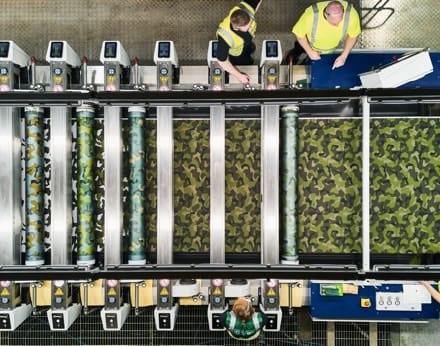
In a move that underscores the UK’s push for self-reliant defense manufacturing amid global supply chain jitters, Pincroft Dyeing & Printing has teamed up with Toray Textiles Europe Ltd to specialize in printed woven technical textiles tailored for the British military. Announced from Adlington, this collaboration directly addresses the government’s mandate for a resilient domestic supply chain, focusing on high-performance fabrics critical for everything from camouflage gear and protective uniforms to advanced composites used in tactical equipment. Toray, a Japanese giant with a sterling reputation in cutting-edge materials like carbon fibers and aramids, brings its technical prowess to Pincroft’s dyeing and printing expertise, promising fabrics that can withstand extreme conditions while incorporating smart printing for IR-suppressing patterns or embedded sensors.
For the 2A community stateside, this isn’t just some far-off Euro headline—it’s a stark reminder of how government-driven resilience can reshape civilian access to vital materials. In the UK, where private gun ownership is a bureaucratic nightmare, these defense-specific textiles will likely be ring-fenced from commercial markets, echoing the post-9/11 export controls that hobbled U.S. shooters’ ability to source mil-spec fabrics for custom holsters, slings, and reinforced gear. We’ve seen it before: ATF regs and ITAR restrictions turning everyday synthetics into controlled items, driving up costs for American innovators crafting 2A accessories. This UK pact could inspire similar NATO-aligned procurement rules, potentially squeezing the aftermarket for durable, printed textiles that AR builders and concealed carriers rely on—think multi-cam ripstop or flame-retardant blends now funneled exclusively to Her Majesty’s forces.
The silver lining? It spotlights the ingenuity of firms like Pincroft and Toray, whose tech could trickle down if 2A advocates push for dual-use deregulation. Pro-2A entrepreneurs should watch closely: stock up on versatile synthetics now, lobby for broader material access under the guise of national resilience, and innovate around restrictions—perhaps 3D-printed fabric alternatives or domestic dyeing ops. In an era of escalating tensions from Ukraine to the South China Sea, secure supply chains are non-negotiable, but let’s ensure they don’t leave armed citizens high and dry while feeding the war machine. Stay vigilant, Second Amendment fam—this is your wake-up call to fortify your own kit.


