

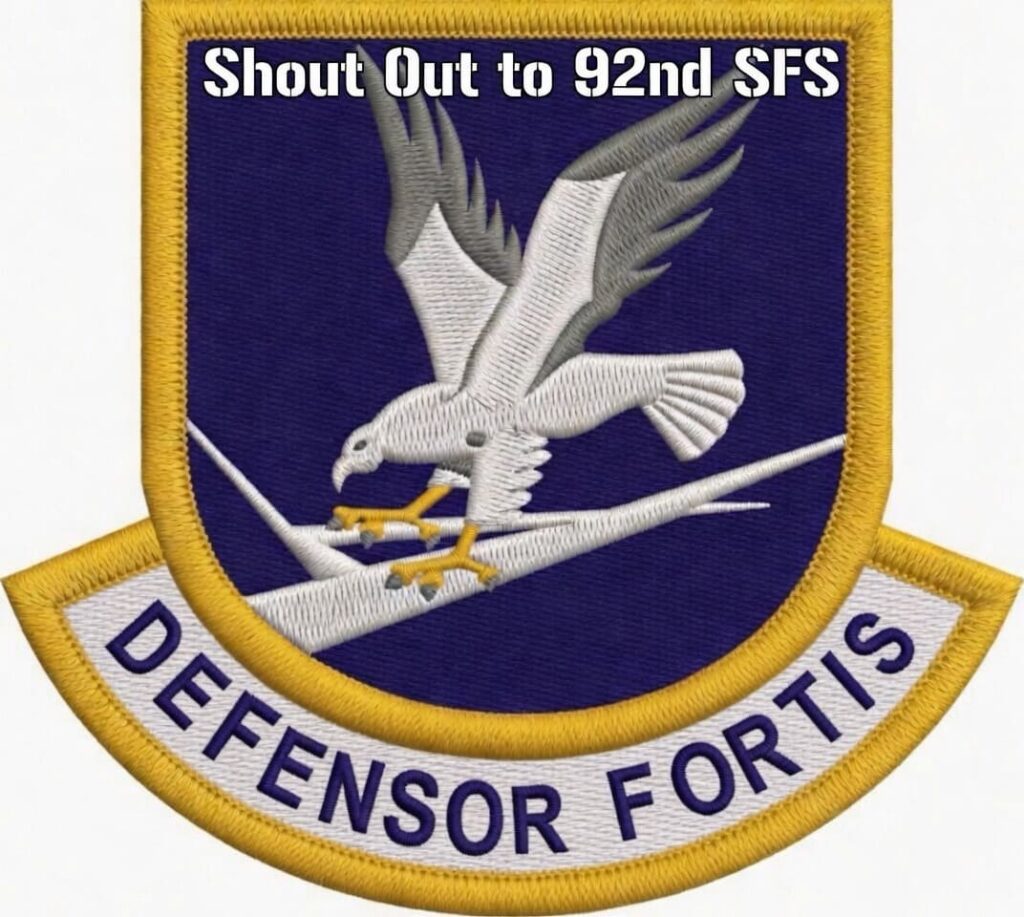
The quiet nod from Fairchild AFB’s Defenders to the SSD community isn’t just polite acknowledgment—it’s a signal that the Second Amendment conversation has moved from the fringes of the gun-counter to the flight line. When service members whose daily mission is protecting nuclear assets choose to follow a publication that treats the right to keep and bear arms as a living principle rather than a policy footnote, it tells us the cultural ground is shifting inside the very institutions charged with defending the Constitution. Fairchild’s location in Washington state, a jurisdiction that has spent the last decade tightening magazine bans and permit-to-purchase schemes, makes the gesture even sharper: these Airmen are reading material that directly challenges the legal environment they operate under at home.
For the 2A community the takeaway is strategic as much as symbolic. Military audiences bring credibility that no civilian influencer can manufacture, and their engagement quietly normalizes the idea that responsible, highly trained citizens—often with Top-Secret clearances—see an individual right to arms as compatible with, not contrary to, national security. That normalization matters when legislation is drafted in committee rooms far from any base; it also matters when the next generation of NCOs and officers decides whether to remain silent or speak up once they hang up the uniform. In short, Fairchild’s readership is a data point that the cultural fight inside the services is far from lost, and every additional service member who finds the content useful is another quiet vote against the narrative that only bureaucrats should decide who may be armed.


