

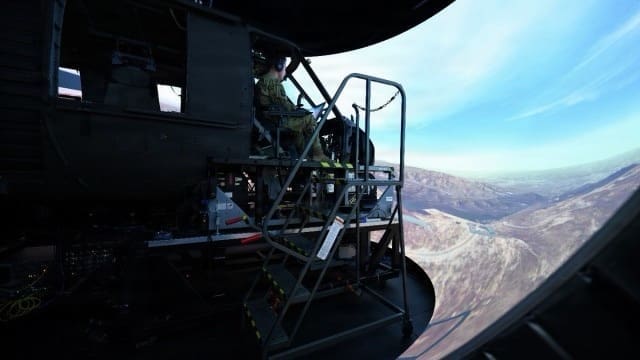
Soldiers from the 101st Combat Aviation Brigade just spent a week at Redstone Arsenal putting the MV-75 Cheyenne through its paces, and the feedback they delivered is already reshaping the aircraft’s final design. That direct line from cockpit to drawing board is exactly why the Army’s Future Long Range Assault Aircraft program feels different from past procurement debacles: the people who will actually fly and fight the machine are shaping it before the first production airframe rolls off the line. For Second Amendment advocates, the lesson is clear—when end-users are treated as stakeholders rather than afterthoughts, you get equipment that works instead of gear that gathers dust in a warehouse.
The Cheyenne’s tilt-rotor configuration promises the speed of a fixed-wing aircraft with the agility of a helicopter, giving light infantry the ability to strike deeper and faster than any current platform. That capability matters to the 2A community because the same industrial base that builds these airframes also supplies the civilian market with advanced materials, avionics, and propulsion technology. Every time a defense program validates a new composite lay-up or sensor fusion package, those innovations eventually migrate to hunting rifles, precision rifles, and personal-defense weapons. Keeping that pipeline healthy requires a robust defense sector, which in turn depends on steady congressional support for programs like FLRAA.
Critics will argue that money spent on next-generation rotorcraft could be better allocated elsewhere, but history shows that capability gaps rarely stay empty for long; they simply get filled by adversaries. A strong domestic defense aviation sector not only deters peer competitors, it sustains the skilled workforce and supply chain that keep civilian firearms innovation alive. The 101st’s fingerprints on the Cheyenne are therefore more than a human-interest story—they’re a reminder that the same constitutional principles that protect an individual’s right to keep and bear arms also underwrite the industrial might that equips the force sworn to defend those rights.


