

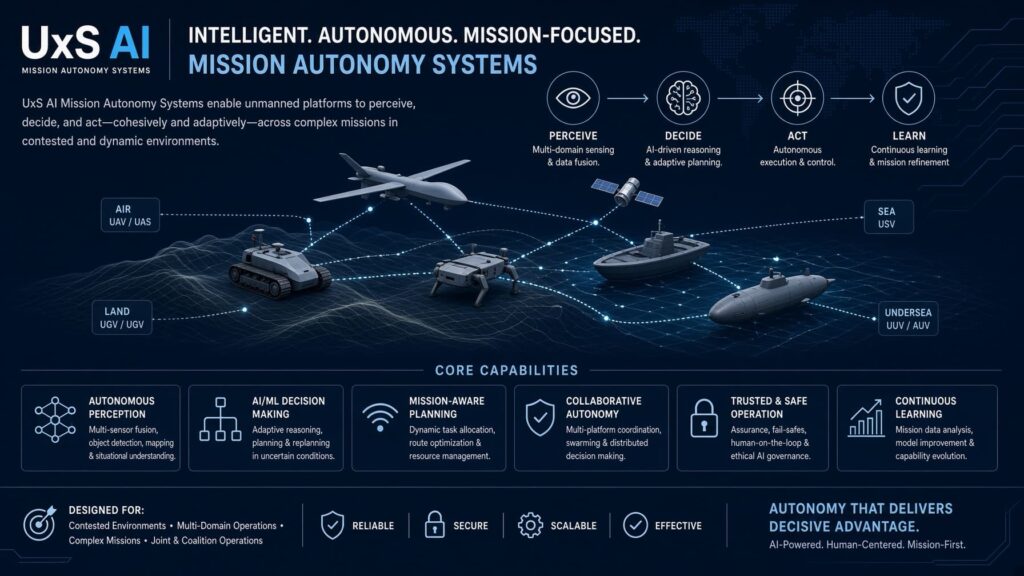
SOFWERX’s upcoming UxSAI assessment isn’t just another government tech demo—it’s a live-fire stress test of whether the same decentralized autonomy that lets small teams of drones hunt, share, and survive in contested airspace can be translated to the ground-level fight for individual rights. By forcing vendors to prove that multiple unmanned platforms can collaborate without a central controller, USSOCOM is inadvertently validating the very architecture Second Amendment advocates have long argued for: resilient, distributed networks that don’t rely on single points of failure or permission from a distant authority. When those same algorithms mature, they’ll migrate from classified ranges to civilian UAS, robotics, and even smart-home defense systems, giving law-abiding citizens tools that can coordinate, adapt, and persist even if the grid or the government goes dark.
The deeper implication is cultural as much as technical. Every time SOF operators normalize the idea that machines can be trusted teammates rather than remote-controlled puppets, they chip away at the paternalistic narrative that only state agents should wield autonomous capability. That shift matters when state legislatures debate “killer robot” bans or city councils try to outlaw armed drones; the data SOFWERX gathers will become Exhibit A that autonomy, properly designed, enhances—not endangers—civilian self-reliance. In short, the same code that lets a four-drone element clear a compound without GPS could one day let a rancher’s networked sensor net detect, track, and lawfully deter threats long before deputies arrive.
Bottom line: while the Beltway sees UxSAI as a force-multiplier for special operators, the 2A community should recognize it as an early warning shot across the bow of centralized control. The faster these systems prove they can operate lawfully and lethally at the edge, the harder it becomes for anyone—regulator or adversary—to claim that only the government is competent enough to run them.


