

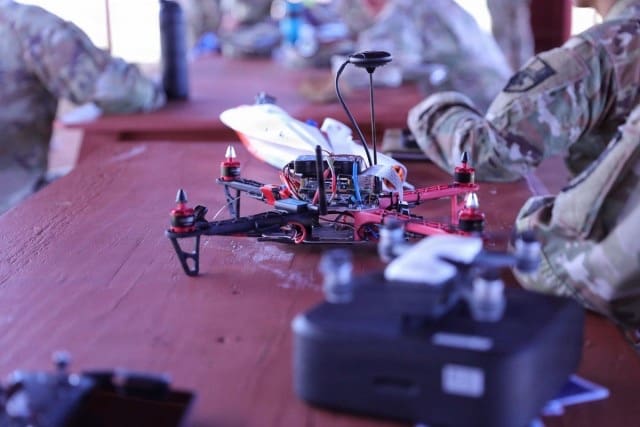
The Army’s decision to run PELE STRIKE 2026 at Schofield Barracks is more than a routine certification drill; it is a deliberate rehearsal for the kind of intelligence work that will decide whether the next Pacific fight is won or lost. By forcing Reserve analysts to fuse signals, imagery, and human-intelligence feeds in real time, the exercise underscores how much the service now depends on an all-of-force intelligence enterprise—one that includes the very same citizen-soldiers who, back home, are also the most vocal defenders of the Second Amendment. Their ability to master ISR tools today translates directly into the credibility they bring when they argue tomorrow that an armed citizenry remains the ultimate backstop against both foreign aggression and domestic overreach.
What makes the training especially relevant to gun owners is the emphasis on decentralized, small-team operations. Area X-Ray’s scenario deliberately degraded higher-echelon communications, compelling junior NCOs and junior commissioned analysts to make targeting decisions with incomplete data—an environment that mirrors the “leaderless resistance” model many in the 2A community have long studied. When those same troops return to their kitchens and gun shops, they carry firsthand knowledge that resilient networks, redundant comms, and individual marksmanship are not theoretical talking points; they are the tactics the Army itself is codifying for great-power conflict.
Finally, the exercise quietly validates the argument that an armed, trained populace multiplies the effectiveness of the professional force. Every time a Reserve intelligence Soldier spends evenings at the range perfecting the same carbine skills the Regular Army now lists as perishable, that Soldier is closing the gap between what the military can do alone and what a nation of riflemen can achieve together. PELE STRIKE 2026 may have ended at Schofield, but its lessons are already traveling back to kitchen tables in every state—reminding Americans that the right to keep and bear arms is not an antique clause; it is an operational advantage the Pentagon is counting on.


