

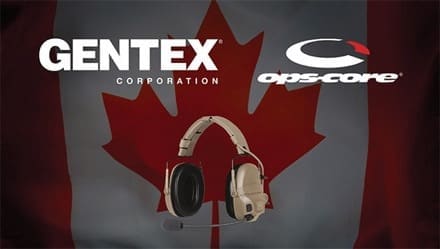
Ops-Core’s $16-million win with the Canadian Army isn’t just another helmet-accessory contract; it’s a real-world validation that the same modular comms and hearing-protection architecture prized by U.S. special-operations units is now being adopted at scale by a NATO ally. The AMP Rail Mount Kit with Vent Mode, NFMI earplugs, and integrated PTTs give soldiers the ability to maintain situational awareness while still protecting their hearing—an engineering approach that mirrors the “ears-open, ears-safe” philosophy many civilian shooters chase when they run electronic muffs or in-ear comms on the range. For the 2A community, the takeaway is straightforward: the same R&D dollars that flow from military programs ultimately subsidize lighter, tougher, and more user-friendly products that eventually reach civilian hands, whether through law-enforcement trade-ins or direct-to-consumer spin-offs.
Beyond the hardware, the timing matters. Canada’s Directorate of Soldier Systems is standardizing on gear that emphasizes rail-mounted, mission-adaptable comms rather than older, bulkier headset designs—an implicit endorsement of the aftermarket ecosystem that has grown around Ops-Core’s ARC rails and FAST helmets. That endorsement sends a quiet signal to U.S. manufacturers: if you build for the professional end-user first, the civilian market will follow, and regulatory winds in Canada or the U.S. are less likely to strangle the very technologies that keep both soldiers and lawfully armed citizens safer and more effective. In short, every time a Western military chooses American-designed comms over foreign alternatives, it strengthens the industrial base that also equips private citizens exercising their Second Amendment rights.


