

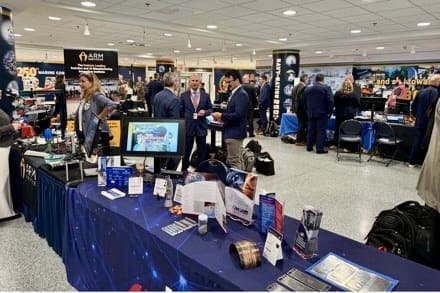
Seventy years after the War Department first stood up its Manufacturing Technology enterprise, the ManTech program remains the quiet engine room of American defense innovation—quiet, that is, until the next generation of rifles, optics, and protective gear shows up on the range or in the field. By underwriting the high-risk, high-cost manufacturing problems that private industry understandably shies away from, ManTech has repeatedly turned laboratory curiosities into production-ready components: the precision barrels that now dominate service rifles, the lightweight armor laminates that protect both warfighters and civilian competitors, and the advanced polymers that let optics survive recoil that would have shattered earlier generations. For the 2A community, that matters because the same processes that let the military field lighter, tougher equipment also trickle into the commercial market, giving law-abiding citizens access to firearms and accessories that are simultaneously more capable and more affordable than anything available even a decade ago.
The program’s longevity also underscores a deeper truth about American manufacturing sovereignty. When ManTech steps in to solve a production bottleneck—whether it is scaling the output of rare-earth magnets for next-gen fire-control systems or perfecting the cold-forging of match-grade barrels—it is effectively subsidizing the industrial base that civilian gunmakers rely on. Without that base, the right to keep and bear arms would rest on foreign supply chains vulnerable to export controls or geopolitical shocks. In that sense, every taxpayer dollar spent inside ManTech is an indirect investment in the continued vitality of the domestic firearms ecosystem that millions of Americans depend on for sport, self-defense, and constitutional exercise.
Looking ahead, the next decade of ManTech-funded work is likely to focus on additive manufacturing, AI-driven quality control, and nano-structured materials. Each of those technologies promises to compress the timeline from prototype to production, which historically has translated into faster availability of improved civilian firearms. The 2A community should therefore watch ManTech’s project announcements the way investors watch semiconductor road maps: the processes being proven today will define the rifles, optics, and protective gear that law-abiding citizens will be able to purchase tomorrow.


