

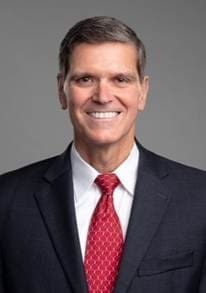
Darley’s decision to bring General Joseph Votel onto its board is more than a routine corporate announcement—it’s a signal that the defense-equipment sector is doubling down on the same supply-chain muscle that keeps civilian shooters stocked with quality gear. Votel’s decades of experience running special-operations and conventional forces give him an insider’s view of what actually works under stress, from optics that hold zero after a HALO jump to pumps that still flow water after an IED strike. That institutional knowledge tends to migrate into the civilian market: the same pressure regulators and quick-connect fittings that Darley sells to fire departments often show up on truck-mounted suppression systems owned by private landowners who want to protect their property when the nearest engine company is thirty minutes away.
For the 2A community, the move underscores a larger truth—companies that serve both the warfighter and the first-responder worlds rarely abandon the law-abiding gun owner when political winds shift. Darley’s product lines already overlap with preparedness-minded citizens who need reliable water-delivery systems for rural fire protection, and Votel’s presence on the board is likely to accelerate R&D that benefits anyone building out homestead defense infrastructure. In an era when regulators scrutinize everything from magazine capacity to muzzle devices, firms with deep military pedigrees tend to keep at least one foot in the commercial space, ensuring that innovations born for overseas contingencies remain available to Americans exercising their right to keep and bear arms.


