

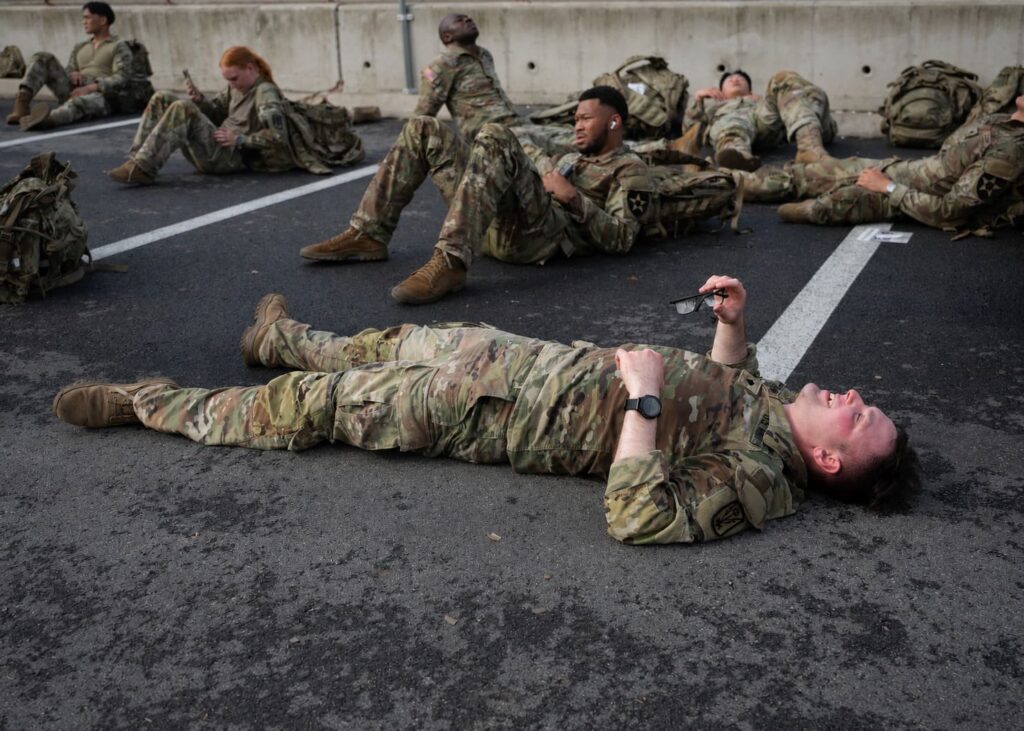
The weight a Soldier carries is no longer a comfort metric—it’s a combat multiplier that either multiplies lethality or multiplies casualties. When every extra pound slows reaction time, shortens endurance, and delays recovery between training cycles and deployments, the entire force’s ability to close with and destroy the enemy shrinks. That reality should resonate with the 2A community because the same physics apply to the armed citizen: the pistol or rifle you can actually carry every day, draw under stress, and run for blocks if needed is far more relevant to self-defense than the heavier rig that stays in the safe. Gear manufacturers chasing ounces are not indulging vanity; they are acknowledging that a defensive tool only works if the defender can still move, think, and fight after the first hundred yards or the first thirty minutes.
This shift in thinking also reframes the endless debate over “duty-grade” versus “lightweight” platforms. A heavier AR-15 or battle rifle may post impressive paper numbers on the range, but if the owner cannot maintain a low-ready for an extended watch, clear a multi-story structure without gassing out, or carry spare ammunition without sacrificing mobility, the theoretical ballistic advantage evaporates the moment the threat appears. The same principle explains why appendix inside-the-waistband carry, minimalist holsters, and lighter optics have gained traction among serious practitioners: the gun that stays on the body and comes out fast beats the heavier setup left at home. Readiness, whether measured in a platoon’s ruck or an individual’s daily carry, ultimately hinges on the human platform’s ability to keep moving and keep shooting.
For the broader Second Amendment community, the lesson is that equipment choices are not merely matters of preference or fashion; they are direct statements about how seriously one takes the responsibility to be armed and effective. Advocating for lighter, more ergonomic defensive tools is not a retreat from capability—it is an insistence that capability must be usable under real-world conditions. As military leaders finally treat excess weight as a readiness crisis rather than a morale footnote, private citizens should apply the same standard to their own kits: if the gear slows you down or keeps you from training, it is not enhancing your right to keep and bear arms; it is quietly eroding it.


