

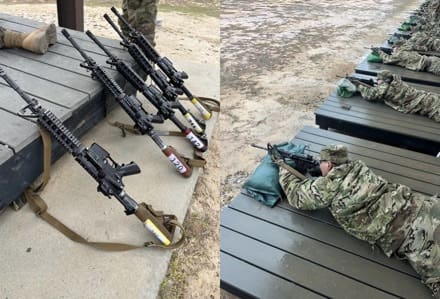
The Army’s admission that it can teach marksmanship but struggles to keep it alive across the force is a quiet indictment of how perishable the skill really is. When the service itself concedes that most Soldiers simply lack repetitions rather than motivation, it underscores a truth the 2A community has long understood: marksmanship is not a one-time qualification but a living discipline that demands consistent dry-fire, live-fire, and deliberate practice. The 4 MOA standard they chase is hardly elite; it is the bare minimum for a modern service rifle, yet even that modest bar slips when range time competes with endless administrative priorities. For civilians who train on their own dime and their own time, the lesson is clear—stability in fundamentals is the only reliable hedge against skill fade, whether you’re a weekend shooter or a professional.
That same emphasis on stability carries direct implications for the broader gun culture. If the largest, best-resourced military in the world cannot maintain basic rifle proficiency without constant reinforcement, then the notion that “the government will handle it” collapses under its own weight. Responsible armed citizens who treat marksmanship as a recurring practice rather than a checkbox are effectively filling the gap the Army itself cannot close. In an era when policy debates often hinge on whether civilians can be trusted with modern firearms, the Army’s own data quietly validates the pro-2A argument: the right to keep and bear arms is meaningless without the ongoing discipline to use them competently. The fundamentals still matter because, in the end, no bureaucracy can outsource the personal responsibility of staying dangerous.


