

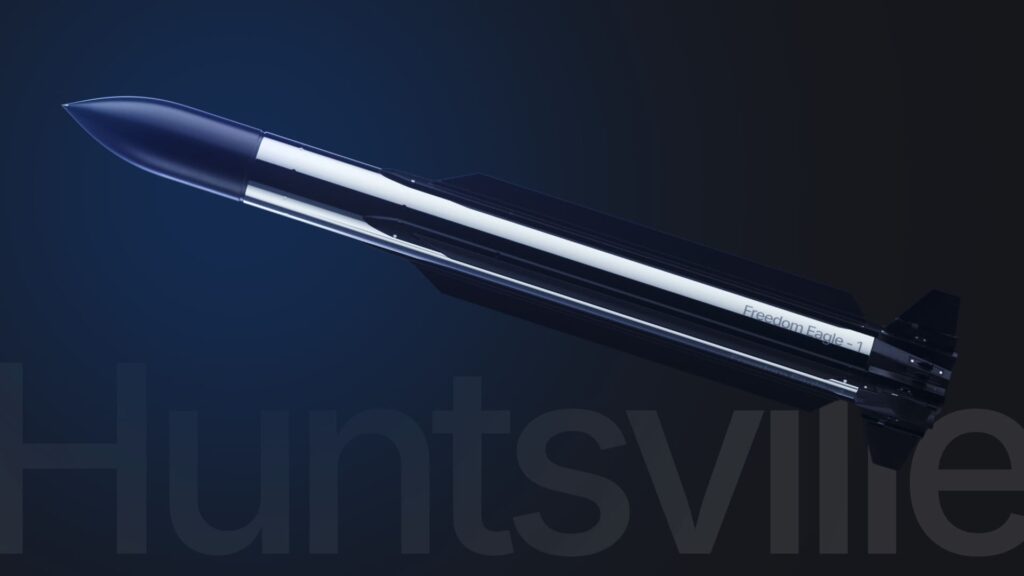
AeroVironment’s fresh $20.2 million infusion into its Huntsville plant isn’t just another defense-contract line item—it’s a deliberate bet that the skies above American cities and bases will soon be thick with small, cheap drones. By scaling Low-Rate Initial Production of the Freedom Eagle-1 interceptor, AV is positioning itself to field a missile that can knock down swarms without the multimillion-dollar price tag of a Patriot round. For Second Amendment advocates who have watched the same technology trickle down from military surplus into civilian hands—think thermal optics, suppressors, even small UAVs—this expansion signals that affordable counter-drone tools may eventually follow the same path, giving private citizens and local law-enforcement a realistic way to protect property and airspace when federal assets are stretched thin.
The timing matters. As hobby-grade quadcopters become surveillance platforms and hobbyist FPV rigs morph into one-way munitions, the individual right to keep and bear arms increasingly includes the right to defend against aerial threats. A cost-effective, truck-launched interceptor that can be produced by the thousands lowers the barrier for states and counties that want their own quick-reaction drone defenses—much the way 37 mm launchers and 12-gauge breaching rounds migrated from military lockers to civilian gun safes. If the Freedom Eagle-1’s economics prove out, expect aftermarket ingenuity to adapt similar lightweight seekers and rocket motors for legal sporting or property-protection uses, just as suppressors and night-vision gear evolved from restricted to widely available once production volumes rose.
Critics will frame any civilian access to counter-UAS tech as reckless escalation, yet the data show drones already outnumber crewed aircraft in U.S. airspace and are increasingly used for crime and harassment. Expanding Huntsville production now is less about feeding an arms race than about ensuring the tools exist before the threat becomes ubiquitous. For the 2A community, the lesson is familiar: when government invests in scalable defensive technology, the long-term winners are the citizens who insist those capabilities remain accessible rather than locked behind bureaucratic gates.


