

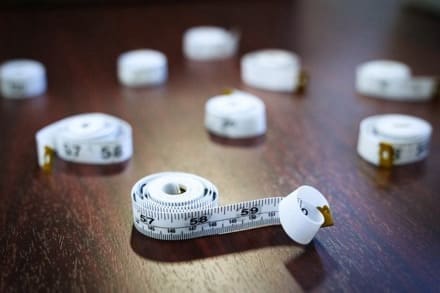
The Army’s decision to scrap the old height-and-weight tables and tape-test circus in favor of a simple waist-to-height ratio is more than a bureaucratic tweak; it’s an admission that the previous system was measuring the wrong thing. For decades, a Soldier who could deadlift twice his body-weight and run sub-six-minute miles could still be flagged because his neck was too small or his hips too wide. By shifting to a metric that actually tracks visceral fat—the stuff that correlates with cardiovascular risk and long-term deployability—the service is finally treating fitness like a performance issue rather than a photo-op issue. That matters to the 2A community because the same institutions that once used flawed body-fat math to weed out recruits are now quietly acknowledging that functional strength and metabolic health are better predictors of whether a citizen can show up with a rifle and still be standing after seventy-two hours of movement under load.
For gun owners, the change is a quiet validation of everything the firearms culture has been saying for years: the ability to fight, move, and think under stress is what keeps a free state free. A Soldier—or an armed citizen—who carries a little extra muscle in the shoulders but keeps the gut in check is far more likely to retain fine motor skills when the red-dot is bouncing and the heart rate spikes past 160. Conversely, the old tape test sometimes punished the very body types best suited for absorbing recoil and hauling ammo: barrel-chested powerlifters and former college linemen. By focusing on waist-to-height, the Army is inching toward the same standard most serious firearms instructors already use in the private sector—can you still buckle your kit after the holidays, or are you one pizza away from needing a new plate carrier?
The larger implication is cultural. When the military discards a measurement that was easy to game and replaces it with one that is hard to hide, it signals that readiness, not optics, is the priority. That same logic applies to the armed citizen: the Second Amendment doesn’t come with a height-and-weight table, but it does assume a population capable of effective self-defense. If the Army can admit that a one-size-fits-all tape measure was getting in the way of actual lethality, maybe the rest of the defense bureaucracy will eventually notice that magazine capacity limits and feature bans also fail the waist-to-height test—they look tidy on paper but do nothing to reduce the metabolic risk of a society that can’t protect itself.


