

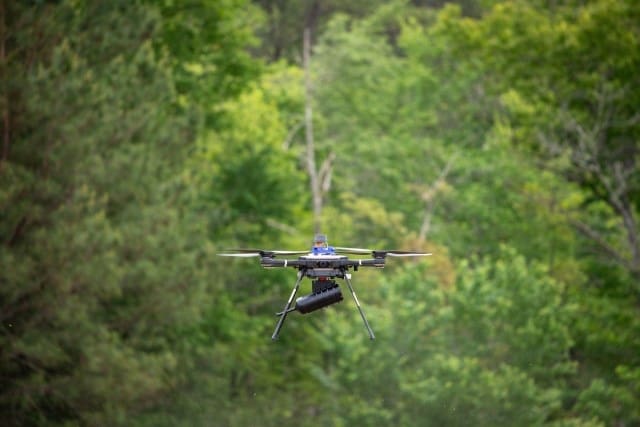
The Army’s latest push to field counter-UAS systems at Fort A.P. Hill is more than a headline about drones; it’s a real-time demonstration that the same technologies now being rushed into service against small, armed quadcopters will inevitably migrate into the civilian market. When the Secretary of War stresses “urgency, speed, efficiency, competition and lethality,” he is describing the exact conditions that have historically driven everything from night-vision tubes to ballistic plates from the battlefield to the gun-counter. The 2A community should watch these programs closely, because the sensors, jammers, and kinetic interceptors being perfected today will shape tomorrow’s debate over whether law-abiding citizens can legally own or defeat similar unmanned systems on their own property.
What makes this development especially relevant is the speed at which the threat itself is commercializing. Hobby-grade drones that can drop small munitions or conduct persistent surveillance are already available on Amazon; the same Chinese supply chains that feed those airframes are also feeding the cartels and street-level criminals who are now experimenting with armed UAVs north of the border. If the Army can’t wait years for a perfect solution, neither can private citizens who may one day face an aerial intruder over their ranch or homestead. The constitutional right to keep and bear arms has always included the tools necessary to meet contemporary threats; denying that right while the government alone fields counter-drone weapons would invert the very purpose of the Second Amendment.
The deeper implication is that the same acquisition reforms—Other Transaction Authority contracts, rapid prototyping, and direct industry partnerships—could be applied to defensive systems ordinary Americans might legally purchase. Whether that means licensed RF-jamming “backpack” units, smart shotgun loads optimized for drone airframes, or networked cameras that cue legally owned firearms, the technology curve is bending toward the individual. The Army’s scramble at A.P. Hill is therefore a preview of a larger cultural moment: either the right to effective self-defense will expand to include these new aerial threats, or the government will claim a monopoly on the only tools that work. History suggests the former is both more practical and more consistent with the founding design.


